


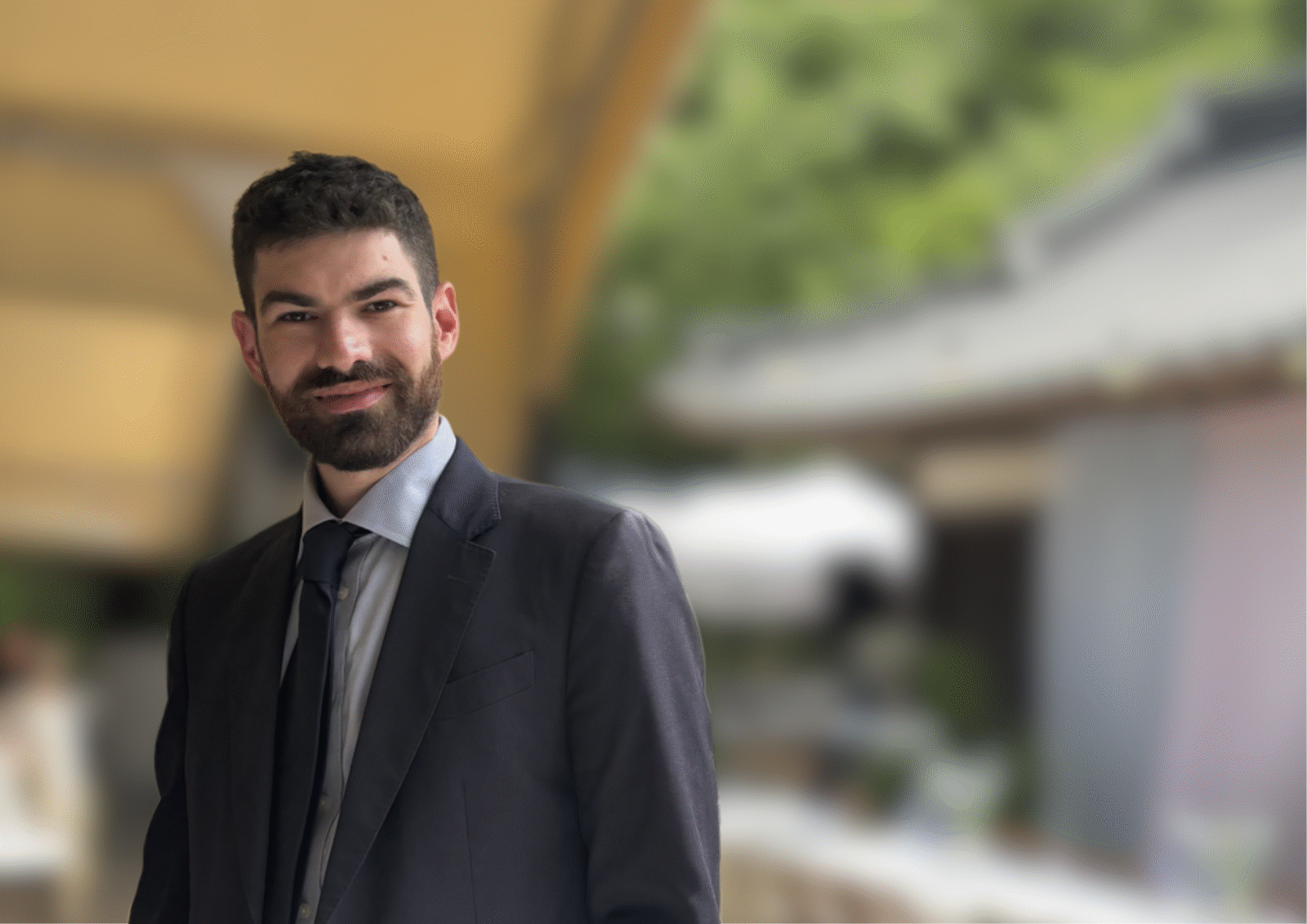
Alessandro Albert discusses the realities of Italy–Korea business relations, from market entry and cultural expectations to building trust across borders.
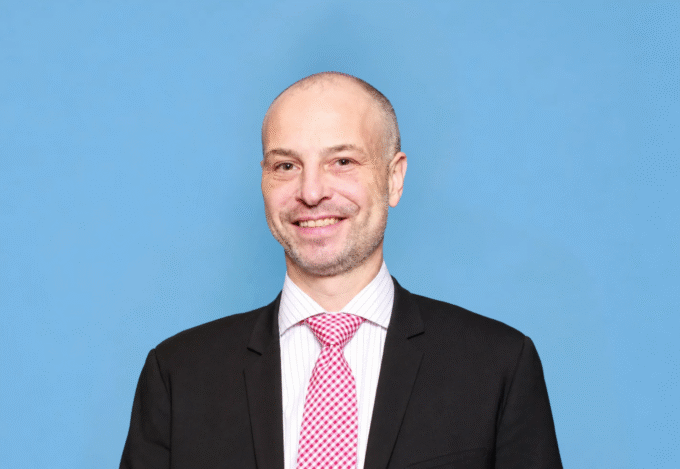
For Alessandro Albert, international business is not simply about moving products from one market to another. It is about understanding what makes a product authentic, what makes a partnership reliable, and what each side needs in order to build trust. Born and raised in Milan, Alessandro now works between Italy and South Korea, helping Italian companies approach the Korean market while also supporting Korean companies in finding the right suppliers and partners in Europe. In this interview, he shares his perspective on “Made in Italy,” Korea’s demanding business culture, and the practical realities of building commercial relationships across borders.
In international markets, a great product is merely the entry ticket. The real game is won on service speed, reliability, and bureaucratic compliance.
Could you briefly introduce yourself and the work you do today?
My name is Alessandro Albert, I was born and raised in Milan, Italy, within an open-minded family that fostered a deep passion for travel and a genuine curiosity for diverse cultures. My parents’ primary goal was to instill in us a global mindset, emphasizing the values of diversity and adaptability , qualities I now bring to my professional life.
How did your professional path lead you to international business and export management?
After high school, I took a gap year to immerse myself in different languages and cultures. My first stop was Vancouver, Canada, where I had a pivotal realization: While everyone I met expressed a deep love for Italy, they often struggled to distinguish authentic ‘Made in Italy’ from ‘Italian-sounding’ products. This inspired my mission: to bridge this gap by aligning Italian excellence with the specific demands of the international market. I realized I wanted to protect and promote my country’s heritage; consequently, upon returning home, I enrolled in Marketing and Communications, specializing in Internationalization to acquire the strategic tools necessary to bridge this divide. After completing my Master’s degree, I joined a consultancy firm focused on international expansion. In this role, I turned my vision into practice, helping Italian companies navigate global markets and establish a sustainable presence abroad.
What first connected you to Korea, and how has that relationship developed over time?
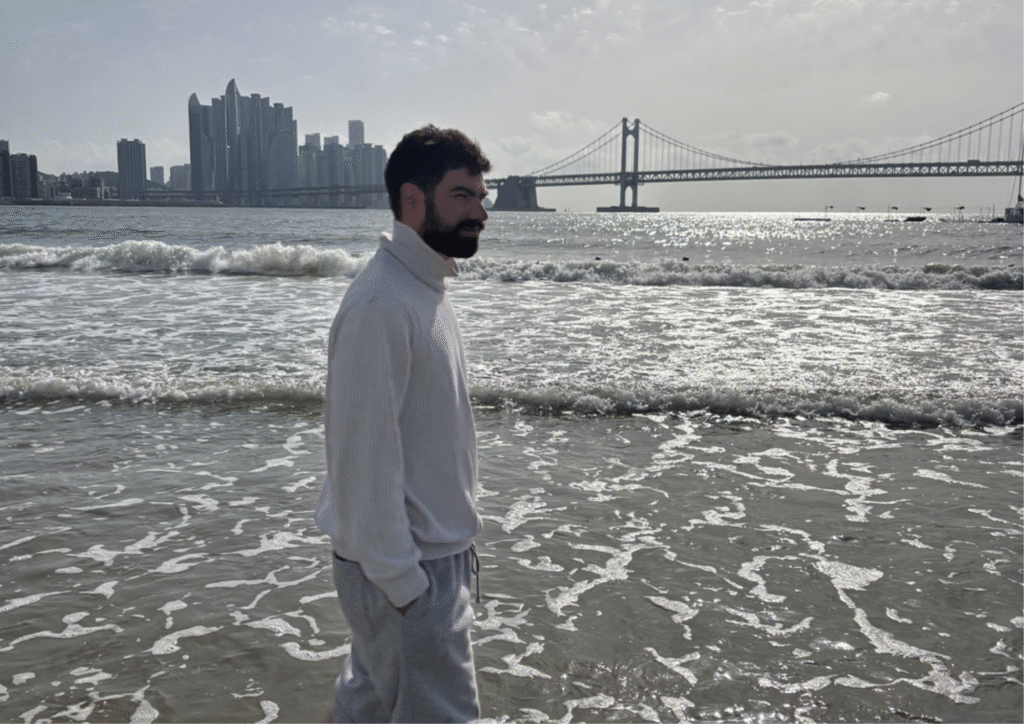
My connection to Korea began with a personal story: I met my girlfriend during my Double Degree program in Dublin. Living and breathing the culture through this personal lens has given me a unique perspective on how to bridge the gap between our two countries, moving beyond simple admiration toward building strategic, high-value partnerships.
Your work connects Italian companies with Korea and Korean companies with Europe. How would you describe your role?
I now act as an operational and strategic bridge between Italy and South Korea. My goal is not just to offer advice, but to provide concrete solutions to the real-world friction of doing business between two distinct cultures. What sets my approach apart from traditional consultancy is this dual role I have developed to manage the entire commercial chain.
For Italian companies: I act as their export manager in Korea. I don’t just develop strategy; I handle daily operations, from adapting the brand to the local market and negotiating with partners to consolidating the brand’s presence.
For Korean importers: I serve as a Strategic Buyer, scouting for authentic “Made in Italy” and European excellence. I act as their delegated buyer, selecting only verified suppliers that meet the high standards of quality and reliability required by the South Korean market.
The core of my methodology is Business Intelligence. Rather than relying on intuition, I use data from verified databases to perform Predictive Analysis. By monitoring market flows and competitor reorder cycles, I can identify the exact moment for a client to make their move. I also map leads to ensure we only engage with authorized, active importers, eliminating the risk of dealing with unqualified entities. I take daunting barriers, such as customs compliance, labeling, and cultural gaps, and turn them into competitive advantages. My job is to make the process seamless so that businesses can build solid, lasting B2B partnerships.
What types of Italian companies are most interested in entering or expanding in the Korean market?
Italian companies are drawn to Korea because the Korean consumer is among the most sophisticated and brand-literate in the world. It is a market that rewards quality over quantity, making it the perfect ecosystem for Italian firms that compete on high added value rather than low-cost mass production. While many believe Italian exports are limited to the “3 Fs” (Food, Furniture, and Fashion), Italy’s primary export category is actually high-tech machinery.
From your experience, what makes Italian products, services, or expertise attractive to Korean companies and consumers?
Italy’s success in Korea is driven by a unique blend of specialized performance and prestige. In machinery, we are the “tailors of technology,” chosen for our ability to provide highly customized industrial solutions that mass producers cannot match. In the food sector, we lead through the “Italian experience” and the health guarantees of the Mediterranean diet, while in fashion and jewelry, we set the global benchmark for lifestyle excellence.

On the other side, what are Korean companies usually looking for when they search for suppliers or partners in Europe?
Korean companies seek the prestige and legacy. They look for partners with a long-standing reputation, as associating with “Made in Italy” instantly boosts their global credibility. In the Korean business world, a partnership with an Italian firm is more than a transaction; it is a strategic endorsement that adds distinction, history, and trust to their own brand.
Which sectors do you currently see as having strong potential between Italy, Korea, and the wider European market?
The strongest potential lies in precision engineering and aerospace, where Italian expertise helps Korean giants innovate. Food-tech is also key, as Korean consumers increasingly demand authentic, health-conscious Italian products. Additionally, the biomedical sector is booming to meet the needs of Korea’s rapidly aging society. Ultimately, the future lies in blending Italy’s quality standards with Korea’s world-class manufacturing power.
Success requires a cultural bridge to align Italian precision with Korean urgency.
What are the most common challenges Italian companies face when approaching the Korean market?
In my experience, the greatest challenge is the clash of business speeds: Italian SMEs often struggle with the “Pali-Pali” culture, which demands immediate responses that often conflict with the traditional Italian workflow. Furthermore, the complex Korean regulatory landscape and strict certification processes create significant barriers for smaller firms. Success requires a “cultural bridge” to align Italian precision with Korean urgency.
What are the most common challenges Korean companies face when working with European suppliers or partners?
The primary challenge for Korean companies is the perceived lack of responsiveness from European partners, especially regarding time-zone gaps and strict vacation schedules. They often find European business structures rigid. This creates friction between the Korean demand for constant availability and the European commitment to a structured work-life balance.
In cross-border business, trust often takes time to build. What helps create credibility between companies from different markets?
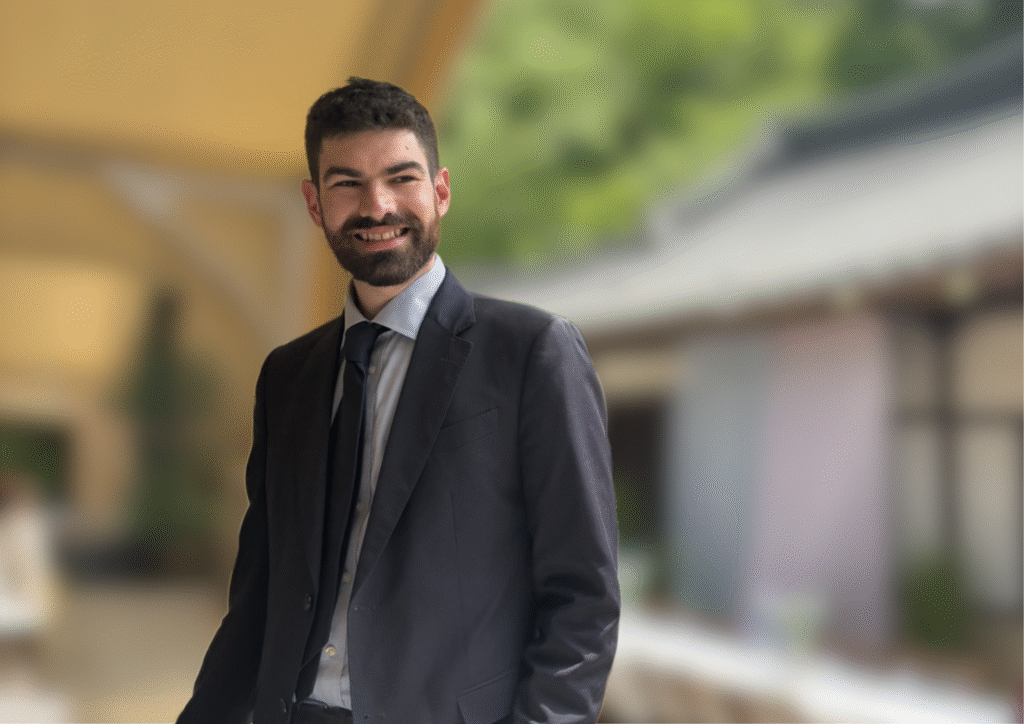
Trust is built on reliability and consistency from the two partners, when problems come out always talk and find a solution together.
What mistakes do companies often make when trying to build commercial relationships abroad?
Many companies, especially Italian SMEs, believe that “quality speaks for itself.” In international markets a great product is merely the entry ticket. The real game is won on service speed, reliability, and bureaucratic compliance.
This agreement makes our markets more accessible and turns our cultural differences into a shared competitive advantage.
What advice would you give to an Italian company preparing to enter Korea, or to a Korean company looking for the right partners in Europe?
My advice for Italian companies is to prepare all necessary documentation and technical data before entering the market. Once communication begins, it must be fast and seamless. For Korean companies to target partners with proven export experience to ensure they have the structure to scale. For unique, smaller brands, the investment is only justified if you secure an exclusivity agreement for the Korean market.
Looking ahead, how do you see business relations between Italy, Korea, and Europe developing in the coming years?
I am very optimistic because the Free Trade Agreement (FTA) between the EU and Korea has created a solid foundation. In the coming years, I foresee even greater growth as we further reduce trade barriers and increase bilateral exchange. This agreement makes our markets more accessible and turns our cultural differences into a shared competitive advantage.
Connect with Alessandro
To learn more about Alessandro Albert’s work connecting Italian companies with the Korean market and helping Korean companies find trusted suppliers in Europe, visit his website or connect with him on LinkedIn.
Interview by Vasiliki Panayi, Founder & Editor-in-Chief of The Global Founder.






Leave a comment