


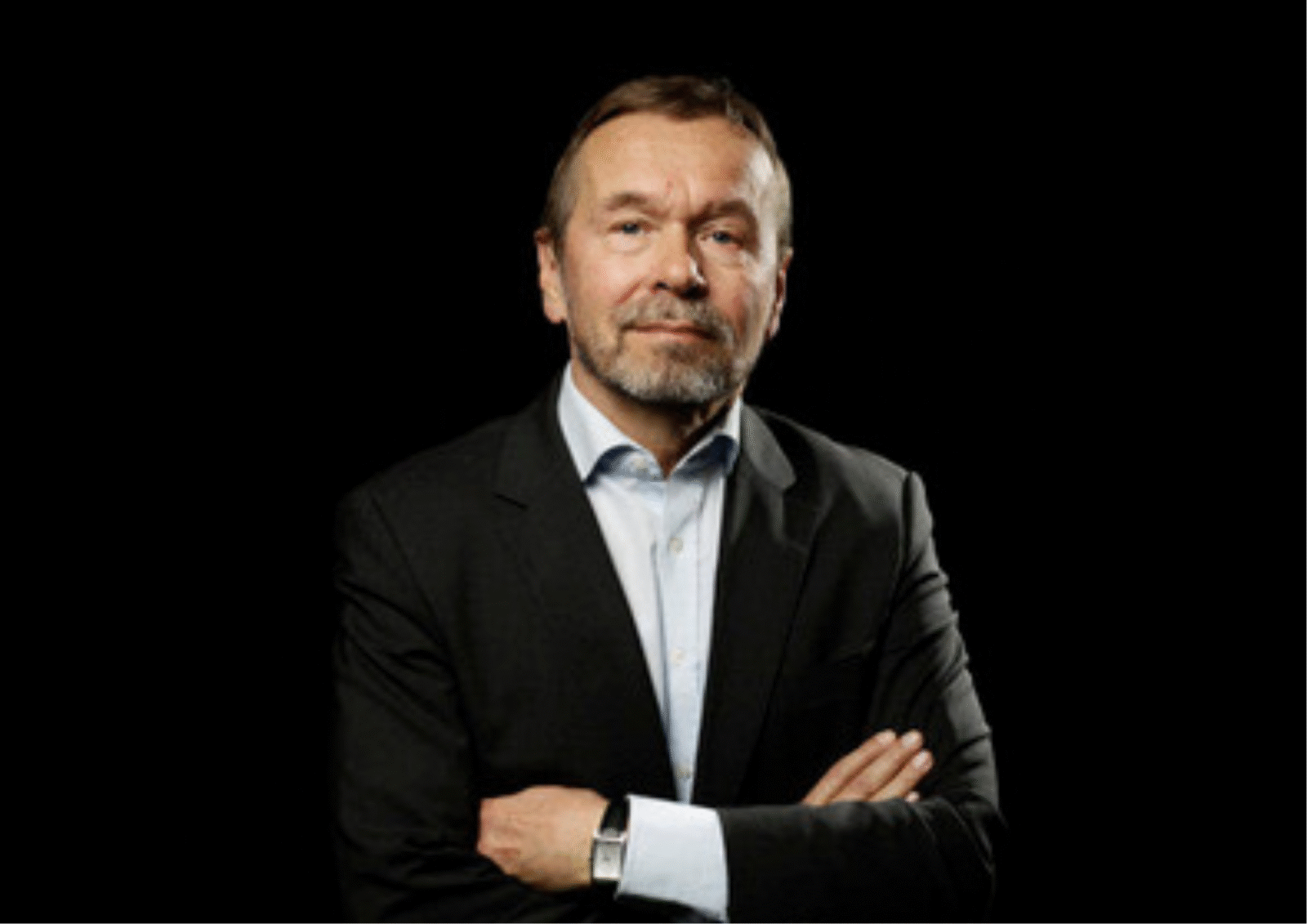
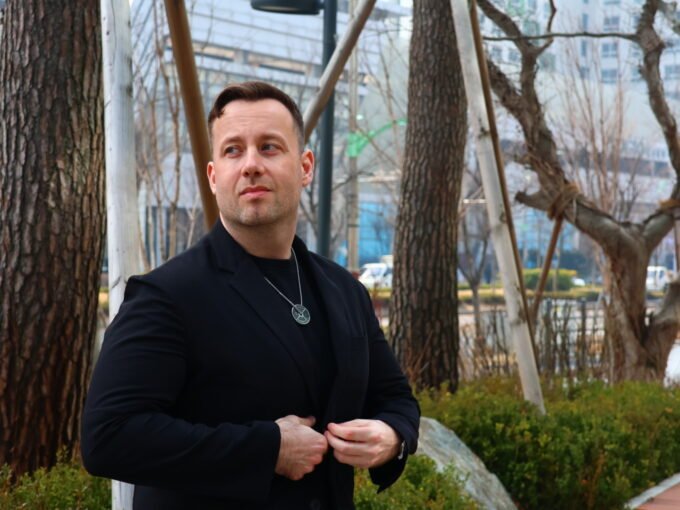
Timo Mäkelä reflects on how regulation, circular economy, finance, and innovation can turn sustainability into a driver of business competitiveness.
Timo Mäkelä’s career has taken him across continents, institutions, and sectors, from engineering and diplomacy to finance, European policy, sustainability, and international advisory work. Having held senior roles at the European Commission and contributed to major initiatives such as the World Circular Economy Forum, he brings a practical perspective on how regulation, innovation, finance, and business connect. In this interview, Timo Mäkelä discusses circular economy, Europe’s role in global markets, and why sustainability and long-term thinking are becoming essential for business competitiveness.
“Businesses cannot succeed in societies and environments that fail.”
You have built a long international career across public institutions, finance, sustainability, and advisory roles. How would you introduce your professional journey to readers who may be discovering your work for the first time?
My professional career has included roles from engineer to senior official and diplomat, as well as banker and investor, internationally across a range of countries on different continents. These roles have always included a focus on sustainability, innovation, moving from generalities to practical, concrete results, and understanding the link between policy, regulation, and business.
You have had a long international career across Finland, Botswana, the European Bank for Reconstruction and Development, the European Commission, and now Sitra. Looking back, what has been the common thread connecting these different chapters of your work?
My work has included positions in policy and regulation, finance, innovation, business, and the private sector. This has helped me better understand the lines and interfaces between them. In particular, all of these elements are needed; without them, you cannot achieve what you want.
You spent many years in Brussels working within the European Commission. What do business leaders and entrepreneurs often misunderstand about how European policy and regulation work?
The European Union is one of the most important and fundamental markets for European businesses. It offers free access without additional costs, a level playing field, and protection against free riders who do not respect the rules. It also provides safeguards for operating in the common market. These are just a few of the fundamental benefits of the EU, particularly for small and medium-sized businesses.
Europe is sometimes seen as highly regulated, especially by companies coming from outside the EU. From your perspective, when can regulation become a source of innovation rather than only a constraint?
I understand the views of companies outside the EU. Rules are central to securing a level playing field for all, while also opening access to one of the most important markets in the world. Businesses inside Europe also want fair and simple rules, and this is the way forward.
Sustainability is often discussed as a moral or environmental issue. How should companies think about it as a business and competitiveness issue?
Sustainability is not a constraint, but an opportunity. Companies that consider it as part of their strategies perform better in the market. The biggest global businesses have a clear view on this: businesses cannot succeed in societies and environments that fail. This is a very powerful message from global businesses.
You have been closely involved in circular economy thinking. What does circular economy mean in practical terms for a company that wants to move beyond slogans and embed it into the way it operates?
Indeed, some ten years ago, I was one of the creators of the World Circular Economy Forum, initiated by the Finnish Innovation Fund Sitra. It introduced a very important new way to tackle climate change, biodiversity loss, and material challenges.
Circular economy turns these challenges and constraints into opportunities, including business opportunities, with numerous examples. I am now working with businesses to turn waste into secondary raw materials, replace fossil fuels with renewable electricity-based energy, and produce microchips without rare earth metals while using ten times less energy.
These are circular approaches that use nature better and are sustainable.
Where do you see the strongest business opportunities in the circular economy today: in product design, materials, energy, finance, digital tools, services, or somewhere else?
The circular economy is really linked to all of them. The biggest gains are in energy and materials, but we cannot achieve and scale them without innovation, digital solutions, finance, and businesses.
Finland has been widely recognized for its early and concrete work on circular economy. What allowed Finland, as a relatively small country, to move early in this field?
As part of the EU, Finland saw early on the opportunities that the circular economy can offer in energy, materials, mining, and the digital industry. Finnish and EU policy, together with the free market, help, but businesses also need support through know-how, finance, and policy.
What can other small, open economies learn from Finland about building credibility and influence in areas such as sustainability, innovation, and long-term economic strategy?
Any economy, big or small, needs to have a common strategy, open and functioning markets, a supportive financing system, and an education system that provides the resources needed for strong innovation capacity. Small countries such as Finland are often quick to adapt to changing needs and priorities.
For founders and companies outside Europe, including those in Asia, what should they understand before trying to enter or scale in the European market?
I would analyze the markets, look for partners, and be ready to fit into the regulatory environment. The gains can be significant, and European markets are a gateway to wider global markets. Trade in products and services is always in demand in large and open European markets.
From your perspective, where do you see the strongest opportunities for cooperation between Europe and Asia in areas such as sustainability, circular economy, clean technology, or responsible innovation?
Companies that factor in sustainability, circularity, and clean technology are increasingly in demand. Energy, materials, and the digital economy are especially important now. Circularity is gaining momentum, and skills are always in demand. Focus on the future and avoid laggards.
“Being successful in university or a start-up is just a start. You still have a long way to go and many skills to build in order to succeed.”
Many companies now face growing expectations around sustainability, transparency, product responsibility, and social impact. Why do you think sustainability is becoming business-critical rather than optional?
Let me answer this question with an example. When I was Director for Sustainability at the European Commission, the vice-president of General Electric, one of the biggest global companies, approached me wanting to know what would happen in Europe.
I asked him why GE had started its Ecomagination program. He gave me four reasons for this. First, they had an image problem. Second, they had very expensive pollution-related legal cases. Third, they looked at which business lines were growing fastest. Finally, and most importantly, they could not attract young and talented people to join.
All of these are important for business, but they are about looking to the future, not to the past. This tells us a lot about how big global companies think about the future.
You have worked at the intersection of environmental policy and finance. What should entrepreneurs understand about financing sustainability-related projects or companies?
The world of finance has its own logic, and we need to understand it. Financiers and investors look at concrete factors: the people involved, the business plan, financial returns, patents, break-even timelines, and the overall credibility of what you need the money for. They are not as interested in new things coming from universities or only in the problems you want to address.
In your experience, what separates a promising sustainability idea from a viable business model that can attract partners, customers, or investors?
Promises are a good start, but just a start. A range of issues is needed, as I explained earlier. A lot is required, and all of it needs knowledge and know-how.
Here, let me focus on two additional issues: partners and scaling up. With partners, you can move and achieve; without them, you are stuck. But people are often afraid that they will lose control. My advice is: do not be afraid.
A company I am working with has distributed 90% of the work to its partner network. Scaling up is as challenging as the rest. Being successful in university or a start-up is just a start. You still have a long way to go and many skills to build in order to succeed.
You have worked with governments, international institutions, and businesses. What makes cross-sector collaboration work in practice, and what usually prevents it from delivering results?
It is very important to understand how governments and businesses work together. Internationally, this becomes even more complicated. My experience is simple: both are needed, and they need to work together across sectors and without silos. None should be placed above the other.
The Nordics, and Denmark in particular, have understood this. Diplomats work with business, and regulators listen to those affected. This is just one example.
Having worked in both large institutions and advisory roles, how has your view of leadership changed over time?
Things have moved more towards teamwork, flatter hierarchies, and more cross-sectoral responsibilities. But leadership has not disappeared; it is still needed. Otherwise, workers and specialists can get lost and pull in different directions.
They need to fit into the organization, understand it, and also be trained. Open information also needs to flow.
Circularity is gaining momentum, and skills are always in demand. Focus on the future and avoid laggards.
Looking at today’s global challenges – climate change, resource scarcity, geopolitical uncertainty, and technological disruption – what should business leaders take more seriously over the next decade?
Our global challenges and difficulties are increasingly issues for everyone. At the same time, we are more and more connected. Trade is a powerful uniting factor, and we can no longer hide from global sustainability challenges.
The biggest global companies think long term and have understood that they cannot succeed in societies and environments that fail.
For younger founders and professionals who want to build international careers, what mindset will matter most in the years ahead?
We need to understand that the world is changing all the time. The world was different 20 years ago, and it will certainly be different 20 years from now. The younger generation will take over that future. All I can say is to look to the future and leave the past behind.
Looking back across your career, what have you learned about creating long-term impact rather than simply achieving short-term visibility?
I have been lucky to be part of many efforts that I hope have left a lasting impact. These include creating a pollution control system in Botswana, helping countries finance the transition in Eastern Europe after the collapse of the socialist system and their path towards the EU, opening up clean technology work in the European Commission, negotiating the UN sustainability strategy, and creating the World Circular Economy Forum.
Most recently, I have understood that good intentions will not happen without businesses, financially viable actions, and profitability. In recent years, I have advised a range of companies on sustainability, and I have seen that sustainability is good business, and better than many others.
Connect with Timo Mäkelä
To learn more about Timo Mäkelä’s work across sustainability, circular economy, policy, and international advisory, visit Sitra or connect with him on LinkedIn.
Interview by Vasiliki Panayi, Founder & Editor-in-Chief of The Global Founder.



Leave a comment