


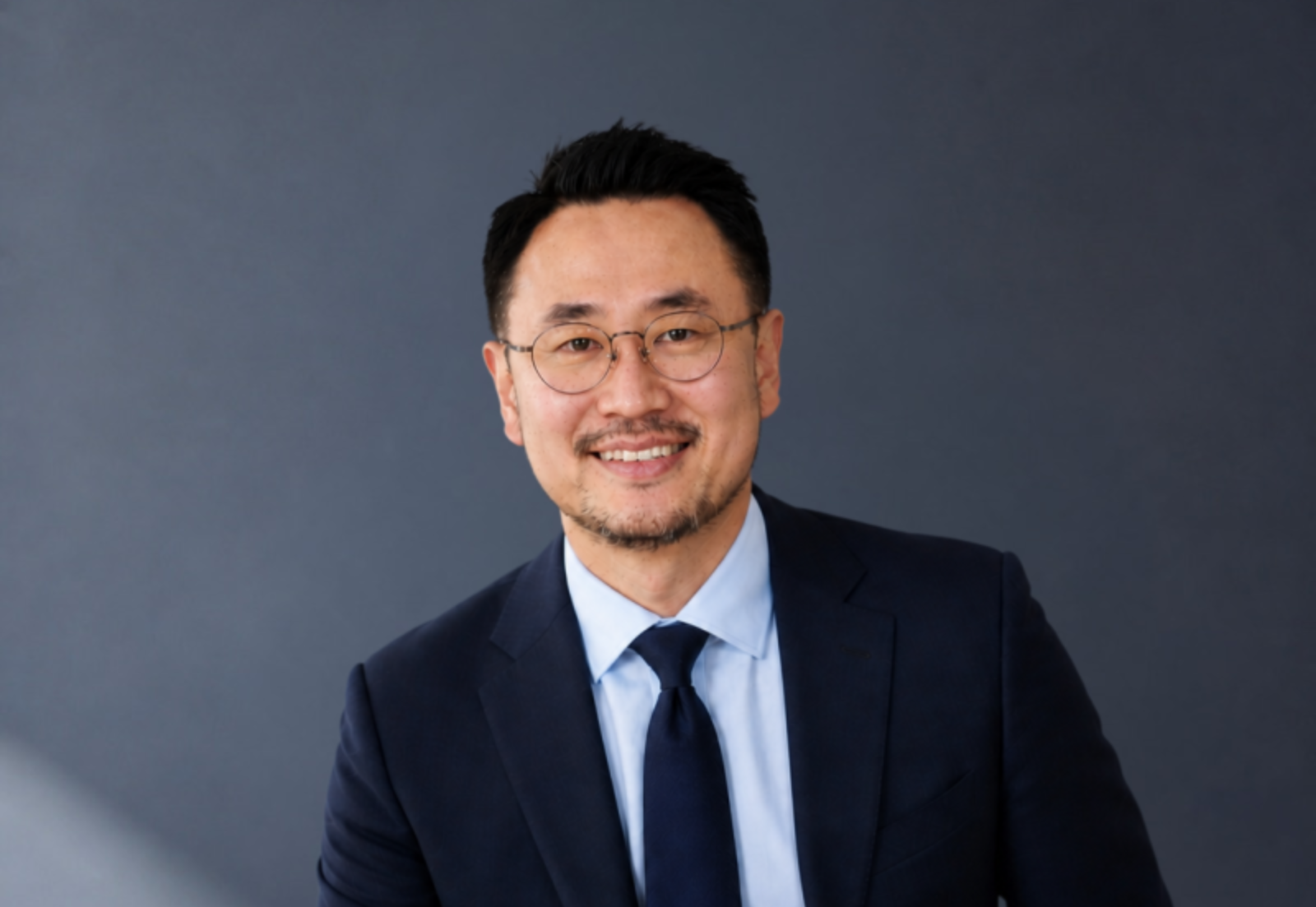
The BOTTLESS founder on developing a refillable packaging system, earning brands’ trust and building a business between Korea and France.
During his career in cosmetics, Chiwon Yi saw extensive research devoted to formulas and ingredients, while changes to packaging often centred on shape and finish. He founded BOTTLESS to explore a different approach: changing how a container holds and dispenses a product. The result is Airless Pak, a system that pairs a reusable dispenser with a replaceable, lightweight pouch. Developing it meant years of work to make the design practical to manufacture and affordable to use. Now dividing his time between Korea and Europe, Chiwon speaks to The Global Founder about the decisions behind that process, what brands need before adopting unfamiliar technology, and why he follows customer demand when choosing where to grow.
Choose the market that fits your product, rather than pursuing ‘globalization’ as a goal in itself.
Chiwon, for readers meeting you for the first time, could you tell us about yourself and your professional background?
I’m Chiwon Yi, the founder and CEO of BOTTLESS. I began my career in sales at a Korean cosmetics brand about 17 years ago and have worked in cosmetics and related industries ever since. My experience spans sales, formula R&D, packaging production, and design, covering much of the journey from product planning to delivery.
That broad background eventually led me into packaging engineering. I could see how a change to a package affected the formula, production, the brand, and the customer, rather than looking at it as an isolated component. BOTTLESS is my second startup. Today, I spend roughly half the year in Korea and half in Europe, developing the business across both regions.
During your career in the cosmetics industry, what convinced you that a new packaging system was necessary, and why did you choose to develop it through your own company rather than within an established business?
During my years in cosmetics, I saw a great deal of research and development in formulas and ingredients. With containers, however, the changes I encountered were mostly in surface finishing and shape. That contrast made me wonder what might be possible if we approached the container structurally, rather than treating it mainly as an outer form.
I wanted to explore whether a different structure could create a genuinely new way of containing and dispensing a product. That became the starting point for BOTTLESS.
Starting my own company allowed me to make that question the core of the business and develop the system around it, rather than fit the idea into an existing product range.
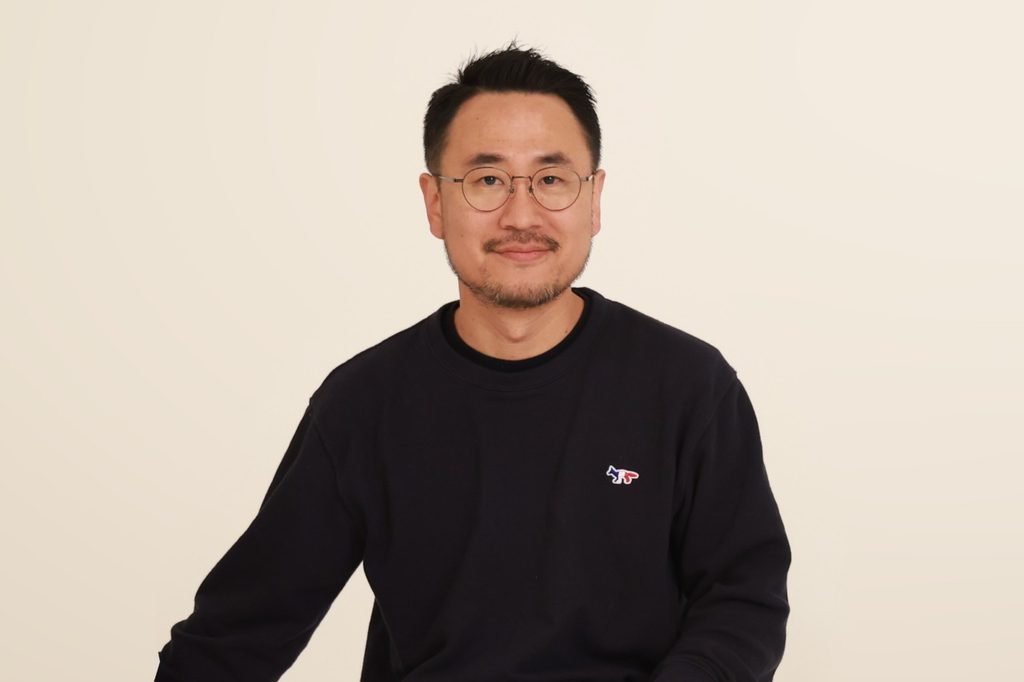
For readers unfamiliar with Airless Pak, how does the system work, and what problem does it solve for beauty brands and their customers that existing packaging does not?
Many conventional pumps use a dip tube to draw product from the bottom of a container. Air enters as the contents are dispensed, and some product can remain difficult to extract. Airless systems help address those issues, but conventional designs can still use substantial amounts of rigid plastic and be difficult to refill or recycle.
Airless Pak combines a reusable dispenser with a replaceable, lightweight flexible pouch. As the contents are dispensed, the pouch collapses, supporting airless operation and helping reduce residue. When it is empty, the user replaces the refill rather than the whole system.
For brands, it offers a way to develop refillable products while retaining airless dispensing. For customers, the idea is straightforward: keep the dispenser and change the pouch. Performance and compatibility still need to be assessed for each formula and packaging configuration.
Airless Pak required years of development before its commercial launch. What was the hardest part of bringing a physical product to market, and how did that experience change the way you think about patience and risk?
The hardest part was not making the mechanism work once. It was keeping the performance while making the structure simpler, practical to manufacture, and affordable. I spent much of the development period simplifying the product without losing the function that made it useful.
Physical development also changes the cost of iteration. A change can affect parts, tooling, assembly, and filling, so it cannot always be tested and reversed as quickly as a software change.
That made the long development period a real risk. I had to decide which problems justified more time and which parts of the design needed to change. I would make the same choice again, but not because patience always wins. In this case, the technical work was necessary to reach a product I was willing to bring to market.
What did you learn about earning the confidence of the first brands willing to try a packaging system from a small company?
I learned that earning a brand’s confidence means making the first step clear and manageable. A promising idea is not enough; the brand needs to understand what trying the system will involve.
That means explaining how the package could fit its formula, filling process, cost expectations, and launch schedule. It also means being clear about what is ready and what needs testing, so the technical and commercial teams can assess the proposal together.
Early inquiries and PoC work gave me confidence, but they also helped me understand what brands needed from us. Regulation can give them a reason to consider change. Trust still depends on whether we can answer practical questions and offer a realistic next step.
In your experience, how do French and Korean beauty brands differ when assessing a new packaging supplier, particularly in their approach to testing, pricing, sustainability and decision-making?
The clearest difference I notice is the pressure each brand feels from its target market. French brands operating in the EU face packaging requirements that make sustainability an immediate business issue. Korean brands focused on their domestic market do not always feel the same urgency around those particular rules.
I have also seen Korean brands place strong emphasis on appearance and perceived quality, sometimes spending more on packaging at a comparable product price. In France, discussions more often combine price, environmental impact, and regulatory expectations.
For testing and decision-making, I would not claim a fixed national difference. Both need evidence of performance and formula compatibility, while approval processes depend on the company. The practical difference is often what gives the project priority, rather than a consistent difference in decision-making speed.
Everyday life gives me context that a short business trip cannot.
What led you to establish a base in France, and how has being part of Incubateur HEC Paris at STATION F influenced the development of BOTTLESS?
France was a natural choice because it is a leading center of the cosmetics industry. It placed BOTTLESS closer to major brands, packaging expertise, and the European discussion about how packaging needed to change.
Being part of Incubateur HEC Paris at STATION F gave me a practical base from which to enter that environment. As someone arriving from outside Europe, having access to a workspace, a network, and people who understood the local startup system made it much easier to settle in and start building relationships.
The main benefit was not one introduction or event. It was becoming part of an organization through which I could learn how to work locally and develop connections over time.
Your website presents Airless Pak as a solution for brands preparing for the EU Packaging and Packaging Waste Regulation. How do you assess the opportunity that a foreign regulation creates for your business while accounting for uncertainty about its implementation?
Nationality is irrelevant here. What matters is the regulation and whether a solution fits it. Every so often, a regulation emerges that can reshape a major market. I saw that happening in packaging and recognized the opportunity.
PPWR matters to me because it can change what that market requires, not because it belongs to a foreign country. As a B2B business, we supply a component. The country where that component was developed is not what makes it relevant; its fit with the need does.
Implementation details may evolve, but my starting point remains the same: understand the change the regulation creates and develop a solution suited to it.
How do you decide which environmental claims BOTTLESS can substantiate, and how does that shape your conversations with brands?
I separate what we can demonstrate directly from what requires measurement or testing. We can show that the dispenser is retained and that the refill is replaced. A numerical material-reduction claim needs a defined pack size, a comparable reference package, and a clear assumption about refill cycles.
Recyclability needs a different discussion. Material choice matters, but so do the final pack’s construction and the collection, sorting, and recycling systems where it will be sold. Less plastic alone also does not establish a lower carbon footprint.
With brands, I try to make those distinctions clear: what the design delivers, what evidence supports a comparison, and what remains to be validated for their particular product. That makes the conversation more useful than a broad claim that a package is simply “green.”
Young companies often work with larger partners to bring a product to market. What have you learned about choosing the right partners and maintaining your own direction while working with them?
Most of our work with larger companies is still at the evaluation or PoC stage. Perhaps because they are used to open innovation, they seemed comfortable working with small startups, and I often felt genuinely respected.
That does not mean we accept every proposal. We have turned down proposals from larger companies. Sharing the same outline does not mean we will color and finish the picture in the same way.
I prefer to work with companies whose outlook and way of working are as close to ours as possible. That is why I explain our vision in concrete detail and try to make sure it is understood. A shared idea is a starting point; I also want us to understand how we intend to develop it together.
I have learned to explain the product before explaining all the engineering.
How has pitching BOTTLESS to international audiences changed the way you explain the business, and what have you learned to emphasise or leave out?
I have learned to explain the product before explaining all the engineering. “Keep the dispenser and replace the pouch” gives people a clear starting point. Then I can explain why that matters to a brand or customer.
The emphasis changes with the audience. A technical team needs the mechanism and testing requirements; a brand team needs the product application and user experience. Both need a clear account of where the business stands.
I also distinguish commercial use, inquiries, sample requests, and PoC discussions rather than presenting them as the same achievement. I leave detailed technical information for the next conversation when it is not needed to understand the initial proposition.
How do you decide which international market to pursue next, and what tells you that BOTTLESS is ready to commit to it?
I start with customer demand rather than a country name. As a small B2B company, I pay close attention to where potential customers are asking us to solve a specific problem.
Before committing more resources, I look for a defined application, a customer or partner willing to take the evaluation forward, and a realistic way for us to support testing, production, and supply. Those are more useful readiness signals than general interest in sustainability.
Japan and Southeast Asia are promising candidates because of the interest and connections we are developing there. I would build on concrete customer opportunities, beginning with a focused project we can support, rather than treating entry into an entire country as a single decision.
What has working between Korea and Europe taught you about communicating across cultures, and can you share an experience that changed how you work with customers, partners or colleagues?
I am still learning. When I focus on a country, I try to stay for at least two months rather than only visit for meetings. Everyday life gives me context that a short business trip cannot.
In some European startup programs, I experienced discussions where different views were explored without one answer being imposed. That encouraged me to explain my reasoning more openly and ask for the other person’s view, rather than assume there was a single expected response.
I try to bring that approach into conversations with customers, partners, and colleagues: use clear facts and numbers, check what each side means, and agree on the next step. Spending time locally helps, but I still need to ask questions rather than assume I understand the culture.
What would you advise a Korean founder to prepare before presenting a first product to prospective European customers, and which preparations are often overlooked?
Choose the market that fits your product, rather than pursuing “globalization” as a goal in itself. I went to France because its cosmetics industry and the direction of European packaging rules made it a relevant place for BOTTLESS.
Before approaching a customer, prepare more than a presentation. Be ready to explain where and how the product is made, its materials, its technical limits, what needs testing, and how supply could work. For packaging, formula compatibility and filling requirements are particularly important.
An often-overlooked preparation is making the next step easy for the customer to assess: what you are proposing, what information you need from them, and what a useful initial test would establish.
Where do you want BOTTLESS to be in five years, and what would success look like for you, for the company and for the way beauty products are packaged and sold?
I want refillable airless packaging to become as familiar as the rigid bottle is today. In five years, I would like Airless Pak to be a normal option brands consider when developing a product.
For BOTTLESS, success would mean repeat customers, reliable supply, and a team able to develop and support more applications. Personally, I want to build an organization that can carry the work beyond my own time and daily involvement.
For the wider industry, reuse and refill should be considered from the start of product development, not added later as a separate sustainability feature. Customers should be able to buy the next refill as naturally as they buy a new bottle today.
Connect with Chiwon
To learn more about Chiwon Yi’s work in international marketing, communications and business cooperation, visit the BOTTLESS website or connect with him on LinkedIn.
Interview by Vasiliki Panayi, Founder & Editor-in-Chief of The Global Founder.






Leave a comment