


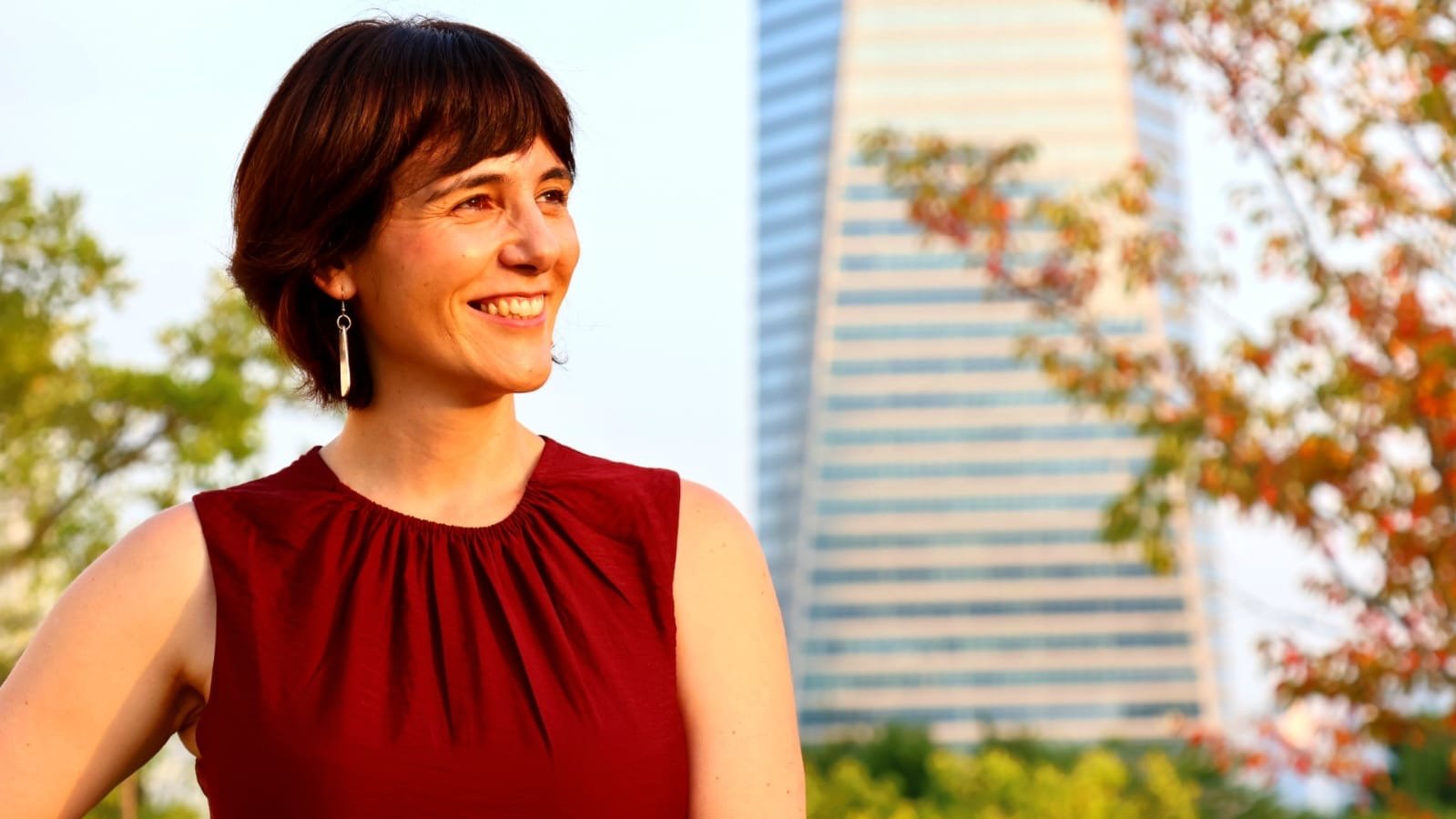
From art history and museum halls to cultural immersion programs, Olatz Irijalba transforms her passion for storytelling into bridges between Spain and Asia.
From museum halls to immersive Spanish journeys, Olatz Irijalba turns curiosity into connection. A trained art historian and former museology specialist who worked at Hong Kong’s M+ Museum, Olatz didn’t come to Korea with a business plan – she came by a pure chance. Yet that very chance sparked a mission: to build Vale Vale Spanish, a bridge between Spanish schools and learners in Asia. In this interview, she explains how a background in cultural projects, hands-on logistics, and a deep love of immersion led her to create tailored Spanish immersion programs that go far beyond language lessons.
I once read the phrase, ‘Bloom where you are planted,’ and that’s exactly what I’ve been doing – making the most of the circumstances and resources I have right now.
Can you share a little about your journey from Spain to Korea? What inspired you to build your professional life here?
You could say that I’m in Korea more by circumstance than due to a planned professional path. I once read the phrase, “Bloom where you are planted,” and that’s exactly what I’ve been doing – making the most of the circumstances and resources I have right now.
I hold a degree in Art History and a Master’s in Museology, and I have worked in museums managing art collections and exhibitions. The biggest leap in my career came when I moved to Hong Kong to work at the M+ Museum in the West Kowloon Cultural District. After the pandemic, my husband and I decided to leave Hong Kong and explore opportunities in other parts of Asia. On that journey, we moved to Korea due to his work, and we have been here for three years.
What was the initial spark that led you to create Vale Vale Spanish?
The inspiration for Vale Vale Spanish came from a question we often heard from friends and fellow expats in Asia: “Do you know any programs or schools where our child can study Spanish during the summer?” I have been a lifelong language learner, and I love being an ambassador for my city and country – sharing who we are, our culture, and our traditions. From my own experience, I know that immersion is the best way to truly learn a language. But there was a significant gap in the market – and that I could serve as a bridge, helping families and schools abroad connect with the best programs in Spain. This way, students can enjoy unique learning experiences and personalized programs tailored to their needs.

How has your own experience as a global professional shaped the way you designed the business?
With Vale Vale Spanish, I am working in multicultural teams and navigating different cultures, which has taught me the importance of understanding people, building relationships, and adapting to diverse needs. Managing complex projects – like arranging logistics to move artworks worldwide – gave me the skills to coordinate travel, programs, and experiences for students and families with precision. But beyond technical know-how, I learned that success comes from soft skills – empathy, communication, and genuine care for people. I bring passion and dedication to every project, and I love working directly with students, families, and schools to create meaningful, personalized experiences. In short, my professional background taught me how to manage complex operations, while my human-centered approach ensures that each experience is memorable and enriching for everyone.
Starting a niche education and cultural exchange business abroad is not easy. What were the biggest challenges you faced in getting Vale Vale Spanish off the ground?
Starting Vale Vale Spanish abroad definitely came with challenges. Traveling to Spain is a big decision – both in terms of time and cost – so it’s not like running a pop-up shop where people make quick, impulsive purchases. The decision-making process is complex and often involves multiple people: a parent may want their child to go, but the child resists; a student may be eager, but the financial burden may weigh heavily on their family; a teacher may see the value, but the school has other priorities.
But at the same time, being based abroad has been a real advantage. Although I work globally online with schools in Hong Kong, Taiwan, and the US, being in Korea means I’m directly accessible to individual students – especially adult learners – who want to take the step toward Spanish immersion. We meet at fairs, presentations, or networking events, where I can build genuine relationships with them, and from there, word of mouth carries the message further.
Of course, working in Korea adds another layer of complexity. At education fairs, for example, I rely heavily on interpreters to connect with schools and families, and the same applies to day-to-day client communication, whether in person or through social media channels. But despite these hurdles, each challenge has been an opportunity to adapt, find creative solutions, and better understand the needs of the families, students, and institutions I work with.
How has being based in Korea influenced your approach to building and promoting a Spanish cultural immersion brand?
It has opened my eyes to how much potential there is for Vale Vale Spanish to go beyond language learning alone. In conversations with potential clients, I often hear curiosity about other types of cultural trips: wine tours, sports experiences, the Camino de Santiago, or even luxury destinations.
Koreans have a genuine fascination with Spain. After the US, it is their favorite long-haul destination outside Asia, and the growing number of candidates taking official Spanish language exams (DELE) reflects just how strong the interest in both the language and the culture really is. This enthusiasm shapes the way I present Vale Vale Spanish: not just as a language immersion brand, but as a bridge to the full spectrum of Spanish experiences.

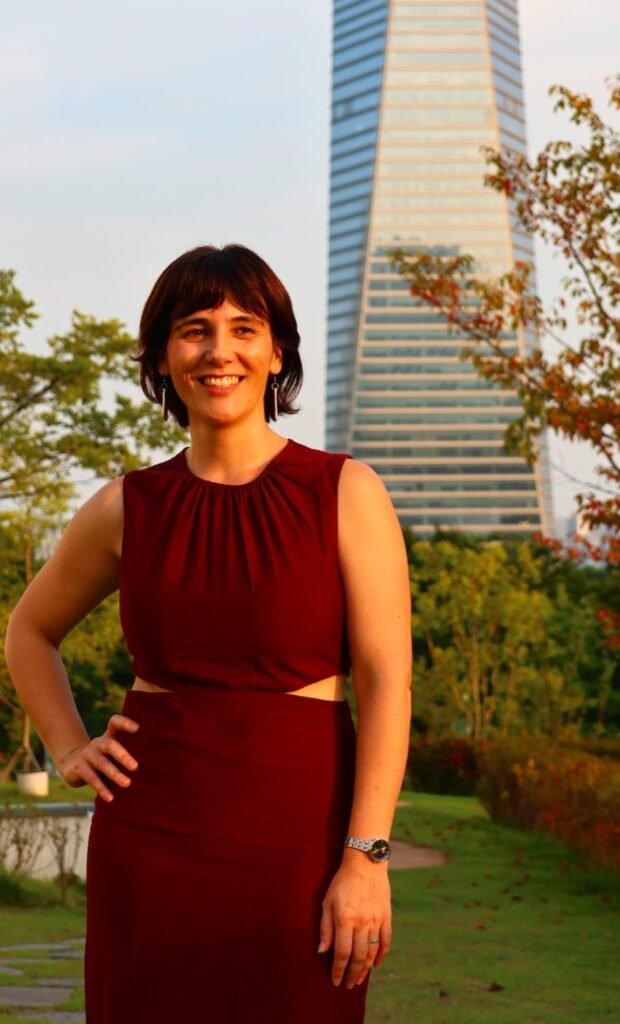
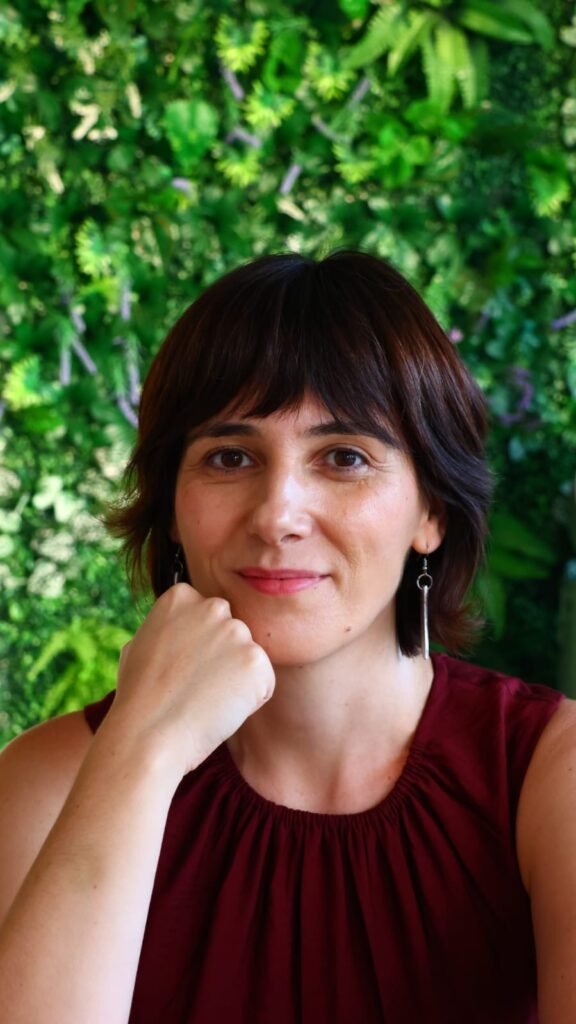
This combination of language and cultural immersion and leisure activities is unique. How did you shape this model, and why do you think it has been so well received by students?
Cultural immersion naturally implies learning the language. When I first started Vale Vale Spanish, my idea was to offer standard programs – packages of Spanish classes combined with cultural activities. But as I explored what other Spanish schools were already offering – cooking workshops, film sessions, guided museum visits, sports, excursions, or even theatrical tours – I realized there was so much more potential.
Why not organize a Camino de Santiago trip where the guide is also a Spanish teacher? Or even a Camino experience without classes, for those who prefer pure immersion? Why not create programs focused on flamenco, golf, or even school trips where cultural activities replace classroom lessons?
Every time I travel to Spain, I visit new schools and destinations, meet founders, and connect with new collaborators. These encounters constantly expand and refine the options Vale Vale Spanish can offer. For me, it is essential to know the people behind the schools, to step inside the classrooms, and to really understand what makes their work so effective.
I believe students and families appreciate that guidance. They value having someone on the ground in Spain who can advise them on program length, accessibility, combinations, seasonal timing, or pricing. That personal, insider knowledge builds trust – and that’s why the model has been so well received.
What strategies worked particularly well for you in reaching students – both in Korea and globally? Were there things that did not work as expected?
In Korea, what has worked best is networking and engaging directly with people. I connect through university presentations, education fairs, and professional events where I meet individuals interested in Spanish, or sometimes not, who later refer me to others. Word of mouth has been a strong channel, and personal references combined with face-to-face trust-building remain essential. Being active on Korean platforms such as Naver is also crucial.
Globally, digital presence plays a bigger role alongside personal referrals. On LinkedIn, I can reach decision-makers at schools and institutions directly, while on Instagram, I continue to test formats to engage students more effectively. Collaborations have proven highly valuable. For instance, by partnering with online Spanish learning businesses, we can create a natural bridge for students who want to take their Spanish into real-world immersion.
What has not worked as strongly is relying on one-size-fits-all campaigns. The audiences I work with are too diverse in their motivations, needs, and decision-making processes. That is why I now focus on tailored, seasonal campaigns, dedicating different times of the year to different types of potential clients.
A sense of humor is often more powerful than perfect grammar – sometimes a smile or a lighthearted comment opens doors that a flawless sentence cannot
What cultural differences have you encountered when connecting with students and partners across Korea and Spain?
One of the biggest differences I’ve noticed is in the pace of communication. In Spain, when you present a proposal, people generally like to take some time to reflect and consider before making a decision. In contrast, I realized that in Korea, the expectation is nearly the opposite – clients want quick moves, fast answers, and proactive follow-up. Adapting to that speed has been essential.
Another difference is the communication channels themselves. I first assumed most of my sales would take place over Zoom calls. But in Korea, in my experience, most B2C conversations and decisions are taking place on KakaoTalk, which has become my primary channel for building trust and closing agreements. When it comes to international schools, it is a world of its own. Most of the time, I am communicating either with Spanish teachers abroad or with international school directors. The cultural context there is more global, but even then, being attuned to timing, communication style, and expectations makes all the difference.
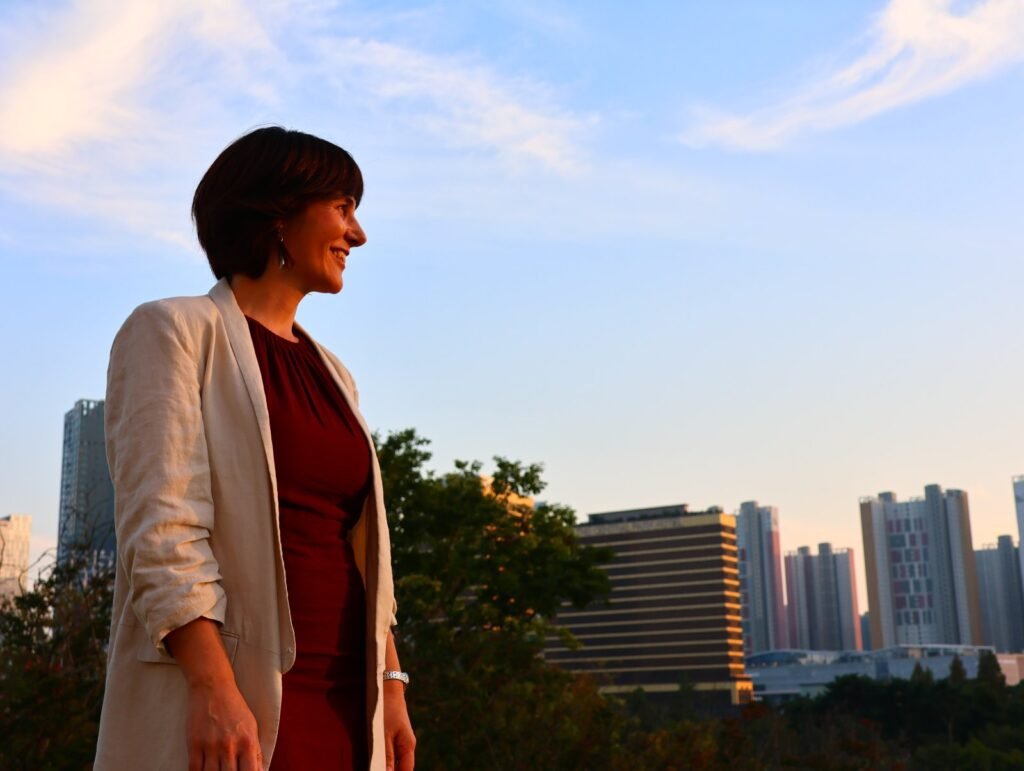
Have you found that being a Spanish entrepreneur in Korea brings unique advantages – or challenges – to your business?
Being a Spanish entrepreneur in Korea definitely comes with unique advantages. I have seen firsthand how much fascination there is with Spain – many either have visited or dream of traveling there. In 2023, over 434,000 Koreans made their way to Spain, and their first choices were often Madrid and Barcelona. Their interests typically revolve around football and cuisine, and on average, they spend around 10 days exploring during their trips.
My role is to open the door to everything beyond those first impressions. Spain is not just two cities or tapas; it’s a mosaic of cultures, traditions, landscapes, and experiences. Vale Vale Spanish offers access to the real Spain others may not imagine exists – through language, cuisine, sports, wine, the Camino de Santiago, or other cultural journeys, including the regions they might have never heard about, such as the Basque Country, Asturias, Galicia, and others. Of course, there are challenges too. The most significant one for me has been the language barrier. While many Koreans are eager to learn Spanish, day-to-day communication and business negotiations often require Korean. This means I frequently have to rely on interpreters or come up with alternative ways to communicate. Yet even this challenge has turned into an opportunity, because it pushes me to adapt, to find creative ways to connect, and ultimately to build stronger trust with students and partners.
For Korean students or global learners considering an immersion program abroad, what advice would you give them to make the most of the experience?
Relax, fully dive into the experience, and enjoy yourself. A sense of humor is often more powerful than perfect grammar – sometimes a smile or a lighthearted comment opens doors that a flawless sentence cannot.
When planning your trip, don’t rely solely on online reviews. Talk to people who truly know the program or destination – teachers, past participants, or local experts can give insights you will not find online.
Finally, savor every moment. Immersion is not just about classes; it’s about living the culture, making connections, and creating memories that stay with you long after the trip ends.
Where do you see Vale Vale Spanish in the next 5 years? Do you envision expanding programs or building new types of partnerships?
Vale Vale Spanish is still a young project, but with careful, steady steps, it’s starting to show its first results. The beauty of this business model is its flexibility – it can be developed in countries beyond Korea.
Over the next few months, my focus is on strengthening the foundation in Korea: building partnerships, expanding my network, engaging potential clients, and growing our presence through social media, events, and education fairs.
Once the model is solid, the plan is to replicate it in other countries, applying the same approach – local partnerships, tailored programs, and community-building – so that more students globally can access personalized Spanish immersion experiences.
In five years, I hope Vale Vale Spanish will be the go-to advisor for Spanish language immersion programs in Asia. I already have established connections in Hong Kong, and I am always open to exploring new partnerships. There’s also been interest from countries like China and Russia, so the possibilities for growth and collaboration are truly exciting.
At the same time, I want to continue exploring Spain’s rich learning and leisure opportunities to design high-quality, appealing programs for people with a genuine passion for the Spanish language and culture. My goal is to create experiences that go beyond the classroom, combining education, cultural immersion, and memorable adventures.
Connect with Olatz
To learn more about Olatz Irijalba’s work connecting learners across Asia with authentic Spanish immersion experiences, visit www.valevalespanish.com or connect with her on LinkedIn.
Interview by Vasiliki Panayi, Founder & Editor-in-Chief of The Global Founder.
Photos by Leni Modli.





Leave a comment