


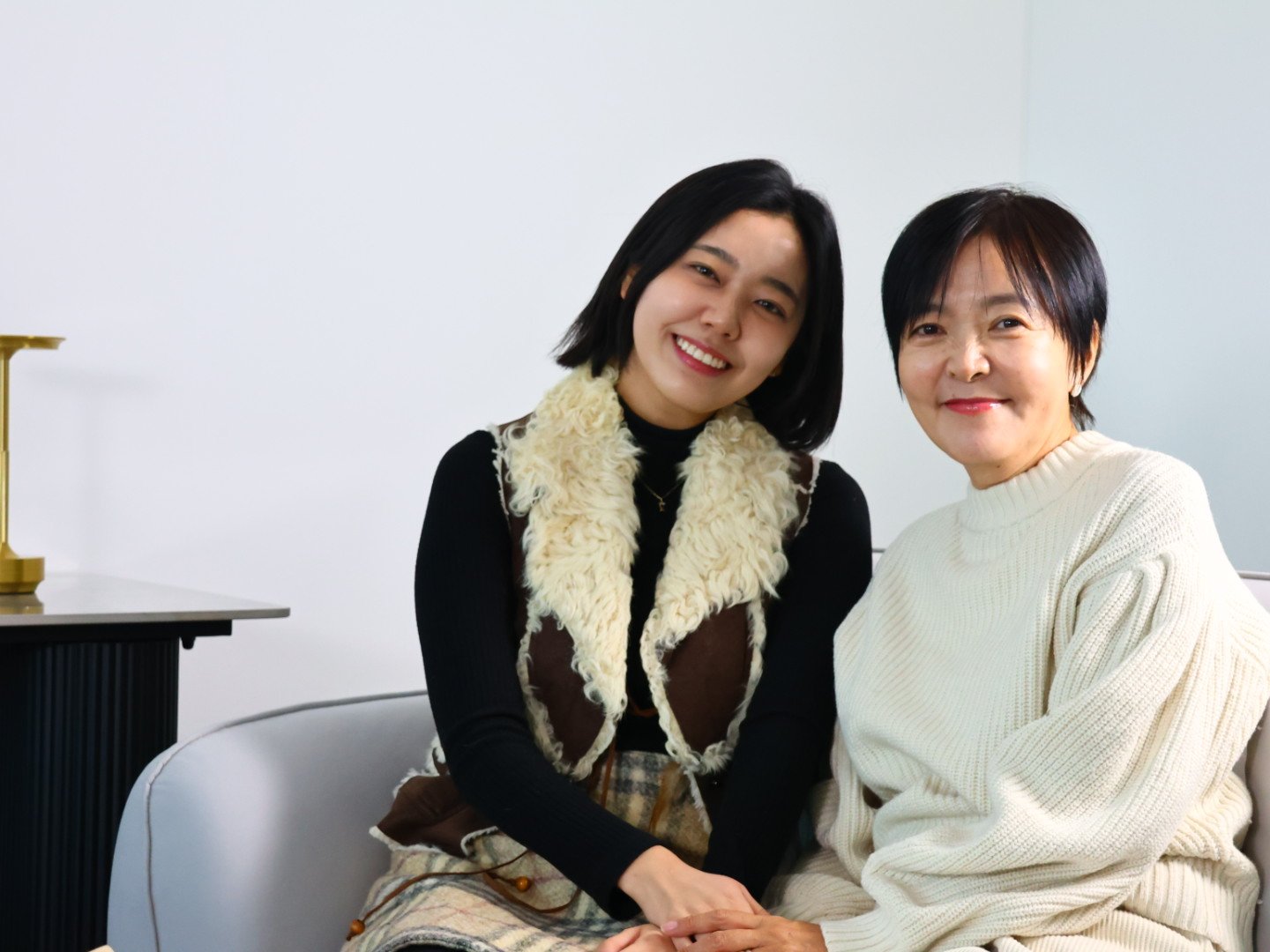
A cross-cultural founder’s story of building a live music platform in Korea and a zero-waste leather brand rooted in Kenyan community.
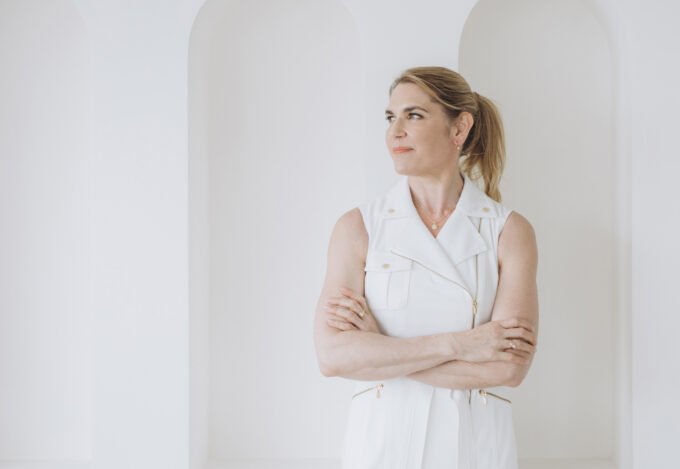
Cindy Saray is a cross-cultural founder rooted in both Korea and Kenya. From Seoul, she leads Muzikey, a live event discovery and ticketing platform supporting independent musicians, and Nashipai Leather Kenya, a zero-waste leather brand handcrafted by deaf single mothers and local artisans. In this interview, she reflects on inclusion as a core principle, the influence of Kenyan culture on her creativity, and the realities of scaling mission-led work across borders.
Sometimes helping hurts if you just help for the sake of helping.
For people meeting you for the first time, how do you introduce yourself and your work with Muzikey and Nashipai Kenya?
My name is Cindy. I’m originally from Korea, but I grew up in Kenya. That’s where I explored fashion and music, and it really shaped what I do.
So I founded a leather brand called Nashipai, in Kenya and currently in Korea. I’m also operating a platform called Muzikey, which is a live event discovery platform for independent musicians, and so much more.
You have a Korean background and spent more than 17 years living in Kenya. Could you briefly walk us through that journey and how it led to where you are today in Seoul?
I moved to Kenya with my missionary parents when I was nine, and I lived – of my life – in Kenya. Kenya really influenced me in terms of music. The energy and the culture are so vibrant, and I grew up being exposed to music. It’s just like I said, it’s a very vibrant culture in terms of colors and everything, and that really encouraged me to explore leathers and craftsmanship.
And because my parents are missionaries, we’ve always worked for a long time with people with deafness. So I integrated the cultural and vibrant aspects with people with deafness within our community, and that became Nashipai. After doing that for a couple of years, I came to Korea – this time – to continue my journey with music, and that’s why Muzikey was born.
Kenya is central to your creativity, and your leadership style. Can you share a few experiences from your time there that had the greatest impact on you as a founder?
Yes, definitely. Working with people who are so different from who I am, people with disabilities. I think learning from them – how they express creativity, how they express joy, and how they strive to grow every day, really inspired me and shaped who I am today.
And just being within different communities in Kenya that my family works for also shaped my leadership. It made me want to strive to be like my parents, and to continue to grow as a leader.
What does it mean for you personally to be a cross-cultural founder, rooted in both Korea and Kenya, while building companies that serve global audiences?
I think Korea and Kenya have very different cultures. Both countries have different mindsets and work ethics, and I think they’re both good. There’s so much to learn from each.
Kenya is very free and very community-oriented, whereas Korea is very structured. Learning from both cultures has really helped me find balance in how I want to pursue my work ethic and how I want to work with different people. And it’s given me the flexibility to cope with people from different backgrounds.
How would you describe Muzikey in one or two sentences, and what specific problem in the music ecosystem are you working to solve?
Muzikey is a live event discovery platform right now. We’ve launched our ticketing feature, and live event organizers and musicians can freely come in, create their own show, and build a community around the event they create, which is a big distinguishing point for us.
I saw a problem within the ecosystem in Korea: there’s a big gap between K-pop, the mainstream, and those who are not. As a musician myself, I could really relate to that gap. So we wanted to narrow it and make the ecosystem more inclusive for people who pursue different types of wonderful music in this country. That’s the problem we’re trying to solve.
You are also a musician yourself, and Kenya is where you first started writing and composing. How did your own creative journey evolve into the decision to build Muzikey as a music-tech platform?
So actually, when I was in Kenya, the community around me really showed me the musical side and energy, and I learned a lot. But then, a couple of years ago, I came to Korea to train under a label here. I think that’s where I really saw the typical musical system and structure in Korea, and it made me think about what I truly want to do, what music truly means to me.
So I went back to Kenya to start writing and producing my own songs. And when I came back to Korea this time, I could really see that there were a lot of musicians who could relate to me or that I could relate to them. They want to do their own music, but they just don’t know how to navigate. So I wanted to contribute to that, a little bit.
Muzikey is currently in the MVP and early market-testing stage. What have you learned so far from this phase (about your users, the product, or the market)?
I think the lesson I learned is that your hypothesis can always be right or it can be wrong. So you really have to be ready to learn, and have an attitude of learning from the market.
Decisions have to be made very quickly, and they have to be the right decisions. And I think learning to cooperate with your teammates, defining the problem correctly, and trying to find the right solution to it has been a really big lesson for me, even as we’re building this.
From your perspective, what are the opportunities and challenges of building a music-tech company from Seoul, within the Korean ecosystem but with a global vision?
I think the market here is very saturated. The music scene is very saturated. There are so many competitors, and so many people doing similar things, and doing them wonderfully. I learn a lot from their examples.
But because of that, it is really hard to find your place and position if you do not have a distinguishing factor. And as obvious as that sounds, it is quite challenging when you are actually in it.
But I think the global perspective that I have, and especially the inclusive perspective that I have, can be our strengths, and I hope to build upon it and continue to strive to become something that is meaningful.
Everyone has a right to enjoy music. Everyone has a right to be at offline live events and have a full enjoyment experience.
Turning to Nashipai Kenya, what inspired you to create a high-end, zero-waste leather brand, and what does the name “Nashipai” represent to you?
I wanted to incorporate that aspect of how they use leather into fashion. And that really inspired us to use leather scraps and off-cut leathers, and turn that into a creative product.
But obviously, because I’ve always had a passion for people with disabilities and for providing an environment where they can sustain themselves, I brought together the single mothers that we know and this leather fashion, African aspect, and created Nashipai, which has become what it is today.
Nashipai works with Deaf single mothers and local artisans. How did that model come together, and what does social impact look like in the day-to-day reality of the brand?
I think social impact, for me, is really big in my life in general. I think it is what drives me the most in whatever I do. And for me, that means not just merely helping. I think sometimes helping hurts if you just help for the sake of helping.
But I think people with disabilities have so much potential, and they are so talented. And if people can give them the environment to really express their full potential, I think that is where social impact happens.
So that is what we wanted to do through Nashipai, to give these women the opportunity to express themselves and their talent through craft.
And the model came through our partnership with the Swedish Embassy in Kenya. We cooperated with them in bringing single mothers who are deaf. I think they are the most vulnerable within our community in Kenya, because imagine being a single mother and also being deaf. That must be really, really difficult.
So we worked with the Swedish Embassy to create an educational project where we train them how to stitch and things like that. And then, at the end of the project, we hired them into our brand so they can continue doing what they do and make money from it.
In what ways do Kenyan culture, materials, and stories appear in Nashipai’s designs and production, whether through craftsmanship, aesthetics, or your work with Maasai communities?
We use a lot of off-cut leathers. Instead of letting leather go to waste in the factory, we collect high-quality pieces, reuse them, and make them into something that is really beautiful and useful.
Looking three to five years ahead, what is your vision for Muzikey and Nashipai Kenya, as businesses, as communities, and as bridges between Korea and Kenya?
Nashipai was always meant to be community-oriented. It is meant to be for the community. So the team we have within Nashipai right now is also from the community originally. I am very lucky to have people in Kenya whom I can trust fully. Right now, the brand has entered a stability stage where it can operate with the teammates we have.
And right now I am really focusing on building Muzikey and building something meaningful for the music ecosystem. For Muzikey, we want a platform that is inclusive, even for people with disabilities. I think everyone has a right to enjoy music. Everyone has a right to be at offline live events and have a full enjoyment experience. So whether it is in our ticketing features, or when we are organizing live events, or when we are connecting live events, we want to incorporate elements that can be helpful for people with disabilities, and efficient and convenient for them to use.
And for Nashipai, I really hope to grow in a way where we can hire more people with disabilities and create a space where they can sustain themselves. And that would mean we would have to continue to grow as a brand. We would have to export to new markets and find new clients who can appreciate our products more. So I think the vision for Nashipai is to grow our workforce and be meaningful in that way.
Connect with Cindy Saray
To learn more about Cindy Saray’s work, visit the webites: Muzikey and Nashipai Leather Kenya
Interview by Vasiliki Panayi, Founder & Editor-in-Chief of The Global Founder.




Leave a comment