


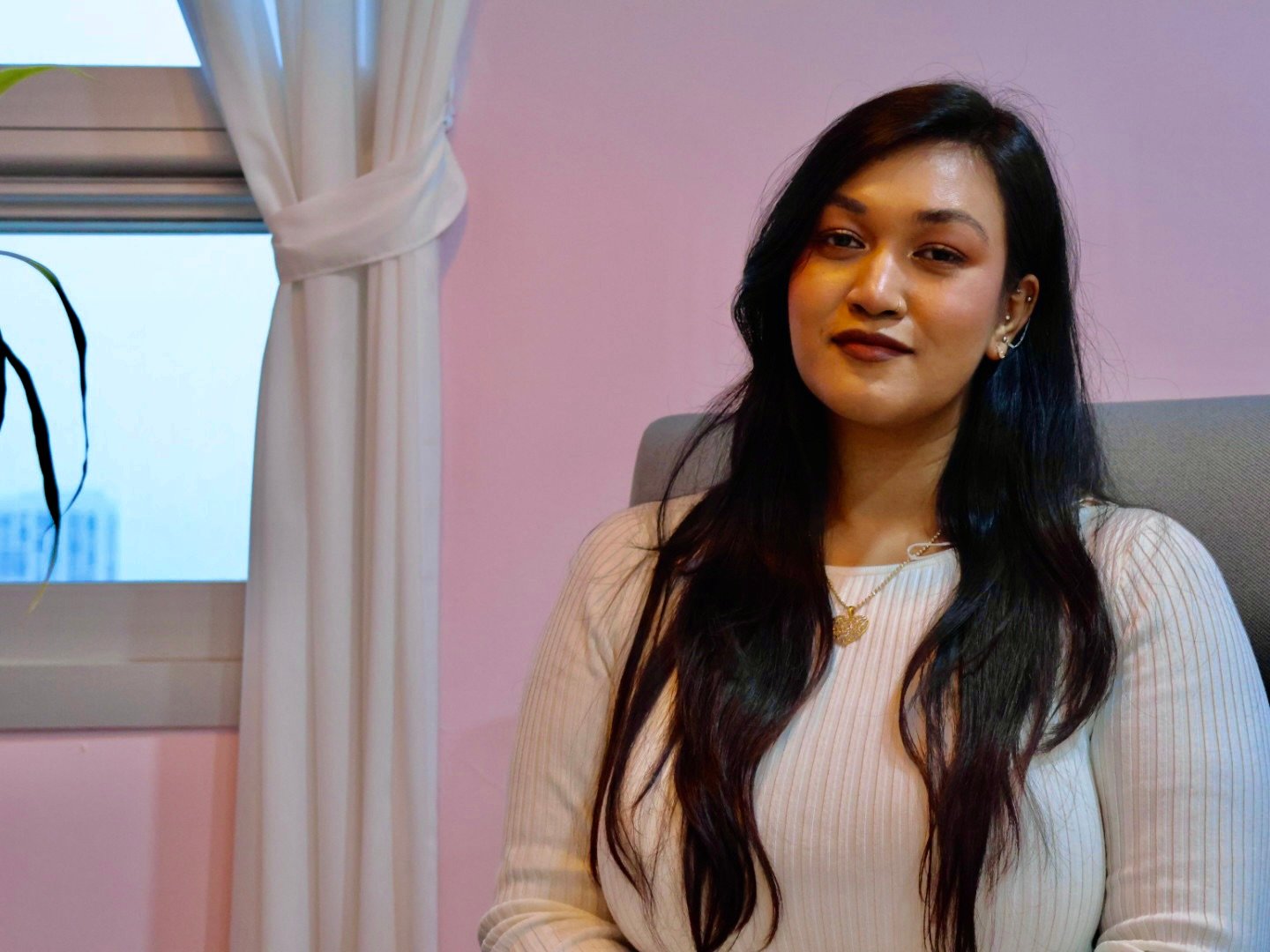
A Bangladeshi founder turns a Korean government scholarship, South Asian developer talent, and emerging technologies like blockchain and AI into a cross-border web agency serving clients far beyond Seoul.
When Tabassum Nasrin Haque came to Korea on a government scholarship to study computer engineering, the experience opened up two paths at once. On one side, she saw Korean companies racing to adopt new technologies and looking overseas for reliable, high-quality development. On the other, she carried a clear picture of the technical depth and work ethic among developers in Bangladesh and across South Asia. Today, her work centers on bridging Korea and South Asia through technology and long-term client relationships.
My master’s in advanced technology here opened the door to the Korean corporate world.
You’re originally from Bangladesh, and now you’re based in Korea. Could you walk us through your journey, and what led you from Bangladesh to Korea and to founding Katriyam?
I came to Korea on a Korean government scholarship for my postgraduate studies. I did my master’s in computer engineering here, focusing on advanced technology. That opened a really good door into the Korean corporate world, because I was studying advanced tech at the same time that Korea was becoming a major hub for it.
How did your background in Bangladesh influence your decision to start a web‑agency that serves clients worldwide?
To answer that, I have to go back to my university days in Bangladesh. We Bangladeshis are very global in general. At university I watched my seniors hustling a lot – doing international freelancing, working with clients abroad, building their careers online.
Because English is one of our official languages, communication was easier, and we are very dedicated when it comes to hard work. When we get an opportunity, we do our best to make something out of it.
So I already had that idea in mind. Then, when I came to Korea, I thought: we have so many good programmers and freelancers in Bangladesh, so why not build a web agency that connects that talent with clients here?

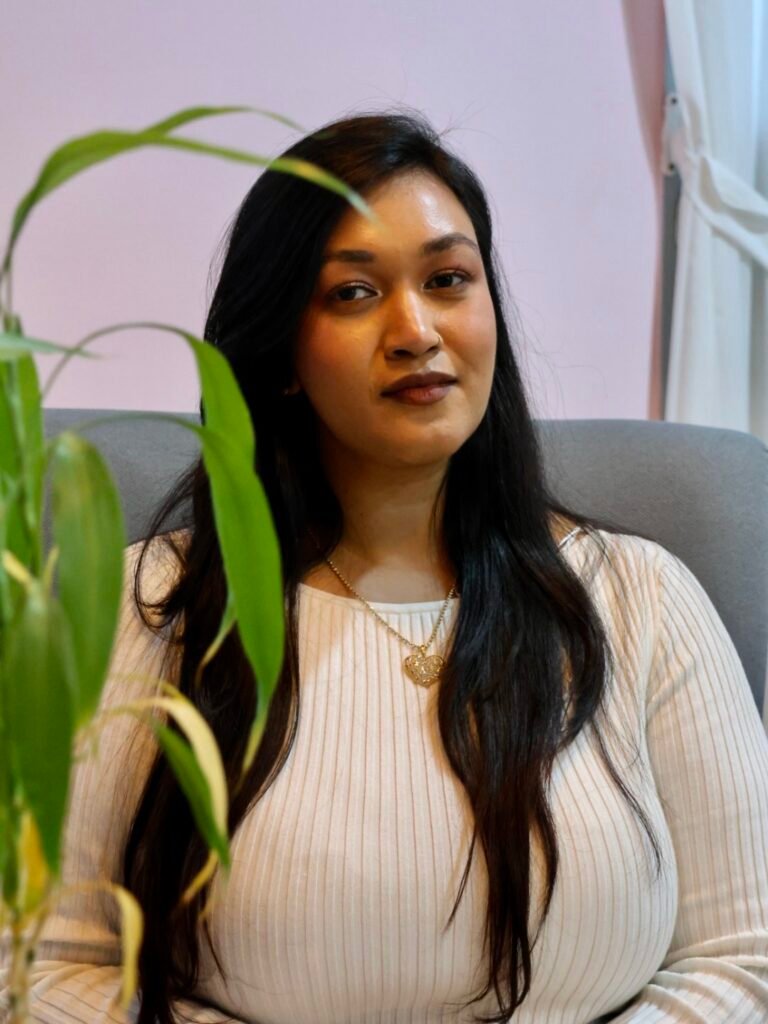
When you first launched Katriyam, what vision did you have for the company; what change did you want to make?
Even though we officially established the company last year, my vision for Katriyam goes back to 2018. At that time I could see that many Korean companies needed outsourcing for development, because having a full in-house team is expensive.
They were already working with developers in India, Vietnam, the Philippines and other countries. That’s when I started thinking about building something from Bangladesh. But to do that, I needed someone I completely trusted back home.
Once I found that partner, we moved forward and established the company. Initially, I thought we would focus mainly on blockchain, because that’s my expertise. But now AI is growing so fast, and my co-founder is also very strong in AI. So we are shifting more of our vision towards AI while still keeping blockchain and web at the core.
Katriyam works with clients internationally while being rooted in Bangladesh/Korea. How do you manage the cultural, operational, and communication bridges between such different markets?
Even though I’m from South Asia and Korea is in East Asia, we are all still Asian, and that comes with a lot of cultural similarities. That helps me understand Korean culture more naturally.
On top of that, I speak Korean, which gives me a better sense of what clients want, how they think, and how they prefer to communicate. That made the “bridging” part much easier for me.
And practically, the time difference between Korea and Bangladesh is not very big, so from an operational point of view, that also helps a lot.
What unique value do you believe Katriyam offers that global clients appreciate, and how does your Bangladeshi‑Korean perspective contribute to that?
In Bangladesh and in South Asia in general, we are taught to treat guests with very high respect. We look at foreigners as guests, and guests are treated almost like family – sometimes even “like God,” we say.
Korea has a similar mindset in the corporate world. There is this idea that the client is in the higher position, and the service provider is slightly below. I don’t personally believe in inequality, but this way of seeing the relationship shaped how I think about service.
So, from both cultures, I bring this value of really looking up to the client and wanting to serve them well. On top of that, what I value most is how we interact and communicate. The way we talk to clients, listen to them and keep them informed is a big part of the value we offer.
How do you ensure quality and consistency across time‑zones, languages, and varying client expectations?
For us, everything starts with how we see the client. When we started Katriyam, my co-founder and I agreed that we didn’t want to just “sell” pre-made templates or push whatever we had. We wanted to understand what each client actually needs and then build the right solution for them.
Because the time difference is small, our developers usually work in Korean time. That means when a client messages us, someone from the team, at least one developer, or me, or my co-founder, is available to reply quickly and say, “We’re on it, we’ll get back to you.”
For quality, we share progress continuously. We don’t just disappear and come back at the end. We send updates, ask them to check, and get their feedback along the way, so we can adjust and make sure what we’re building is really what they want.
Being a woman and founder from Bangladesh in the Korean business ecosystem, what challenges have you encountered and how have you overcome them?
Even though Korea has a conservative side, I personally haven’t faced as many big hurdles as people might expect. I think that’s partly because I speak Korean and partly because I’ve been working in Korean environments for a long time, so I understand how things work.
That said, there have been moments. I’ve experienced mansplaining and situations where people weren’t used to seeing a woman leading, managing projects, or taking decisions.
Instead of seeing that only as a disadvantage, I try to view it as a transition issue. They’re not used to it yet, so they need time to adjust. In those situations, I try to be patient and persuasive. I explain why I’m suggesting a certain approach and ask them to try it. Once they see that I know what I’m doing, they stop seeing me primarily as “a woman” and start seeing me as a tech professional.
What perspectives from your Bangladeshi culture do you bring into your leadership, team culture, or client interactions?
From Bangladeshi culture, I bring a strong respect culture. We are raised to respect our elders and other people in general, and that comes through in how we speak and how we address others.
Our language, like Korean, changes depending on who we’re talking to. There are different levels of politeness and different ways of addressing people. That shapes how I interact with both Korean and non-Korean clients.
So at Katriyam, we try to treat every client as someone very important, not just as a “project.” That respect and humility is something I carry from Bangladesh into everything I do.
Quality over quantity is one of my core values. I’d rather build fewer relationships and do them properly.
How has living in Korea influenced your business mindset, practices, or growth strategy?
Korea has a very strong entrepreneurial culture. If you’re not only thinking about a 9-to-6 job and you have some vision, Korea gives you many opportunities. There are government funds, private funds, incubators, and programs that help you understand how to become an entrepreneur.
All of that shaped my thinking.
And then there’s the networking. By going to different events and meeting other founders, I learned a lot from their stories. How they scaled their businesses, how they raised seed money, how they made strategic decisions. Those conversations gave me many ideas about how to grow and upscale Katriyam.
Could you share a story of a client project or team experience that deeply affirmed why you do what you do?
Yes, there is one project that I always remember.
Last year, we worked with a client selling luxury products through an e-commerce platform. They were exhausted from constantly hiring models and photographers, doing full photoshoots, and then uploading everything. It was expensive and time-consuming.
They came to us and said: “We have clothes, but no models. We still want the website to look attractive.” They didn’t suggest any solution, they just shared the problem.
My co-founder Priyam is an AI expert, and he suggested we try using AI-generated models that look like real people, and then put the clothes on them. We had to turn 2D photos into something that looked more 3D and realistic, with natural creases and movement in the fabric.
There was no single tool that did all of this, so we had to combine many tools and work out our own process. We worked nights after my 9-to-6 job, again and again, testing and improving.
When we finally delivered, the client was completely amazed. Even talking about it now gives me goosebumps. That was the moment when my team, my partner and I all felt: “Okay, we’re doing something right.”
What impact do you hope Katriyam will have in influencing Asia with emerging technologies?
My background is in blockchain and I’ve also worked with metaverse projects. My co-founder’s background is in AI. Together, we are focused on advanced technologies.
In South Asia, we are still behind in many of these advanced tech areas. Our hope is that if we can build a strong portfolio in blockchain, AI, and related technologies, more global clients will trust us and work with us.
That doesn’t just help Katriyam, it opens more doors for other South Asian web agencies and tech companies. In the long run, we want to contribute to South Asia, and especially Bangladesh, becoming more visible and competitive in advanced tech.
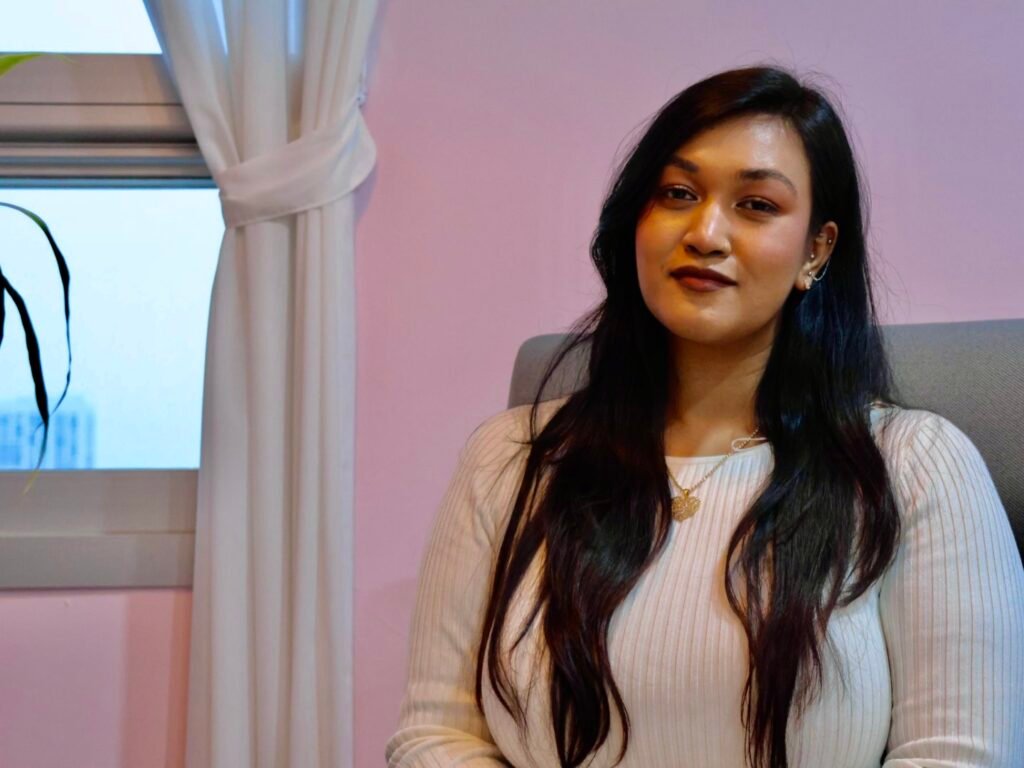
Where do you see Katriyam in the next 3‑5 years? Are there new markets, service lines, or collaborations you’re excited about?
We’re planning a lot. Right now, Katriyam doesn’t only do web development. We also work on software, graphic design and different AI-based tools. We want to keep growing those areas.
At the same time, we’re very interested in media. In Bangladesh, many news outlets are still very old-school in their format and style. But the people consuming news now are mostly Gen Z, and they want something more modern and global. There isn’t much that combines international tech news, current affairs and a fresh presentation in a way that speaks to them.
So one of our plans is to build our own media platform and, one day, become one of the major media agencies in that space.
The third part is bringing our expertise back home. Right now we mostly provide services to other countries, but we also want to build our own products in Bangladesh. We already have a lot of ideas and PRDs written. The next step is to build MVPs and then pitch them to investors, so that Bangladesh can also grow technologically.
What leadership principles do you live by as a Managing Director, especially while running a cross‑border business and leading a diverse team?
First, communication. I really believe in clear, honest communication with customers. We see our customers almost like friends. We want to listen first and understand what they actually want.
Even a simple website can look very different depending on whether it’s for a personal project or a commercial business. So we try to hear the story behind it before we start building.
Second, generosity and understanding. I try to be generous with my time and patient with people, both clients and team members. Being understanding goes a long way in a cross-border business.
What’s one major lesson you’ve learned about building a global business from a non‑Western base (Bangladesh) that you would share with other founders?
For me, it always comes back to values. One of the main ones is choosing quality over quantity.
In Bangladesh, family and close relationships are very important. We are very tight with our families and friends. I think that translates into how I see clients as well. I try to look at the client almost like a family member, or like myself: if I were in their position, what would I expect?
So my advice to other founders would be: instead of being too focused on volume and trying to get as many clients as possible, focus on treating each client with that level of care. The business can still grow, but the foundation will be stronger.
If you could give yourself one piece of advice at the moment you launched Katriyam, what would it be?
I would probably say: slow down.
When you live in Korea, you feel like you have to do everything quickly. And as women, we often try to multitask and push ourselves to do many things at the same time.
When we first started Katriyam, I think we were trying to focus on too many things at once. Now we’re narrowing down to the services that matter most.
So I would tell my past self: slow down, focus on fewer things, and don’t pressure yourself to build something huge in just one year.
Connect with Tabassum
To learn more about Tabassum Nasrin Hague’s work bridging Korean and South Asian tech through Katriyam, visit www.katriyam.com or connect with her on LinkedIn.
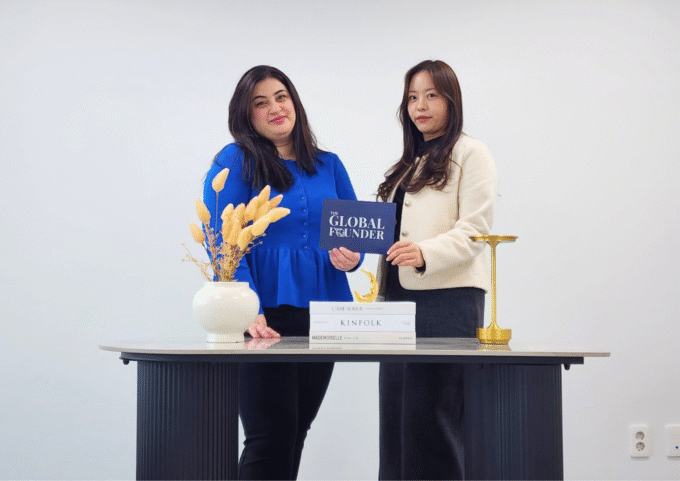
Interview by Vasiliki Panayi, Founder & Editor-in-Chief of The Global Founder.
Photos by Leni Modli.






Leave a comment