


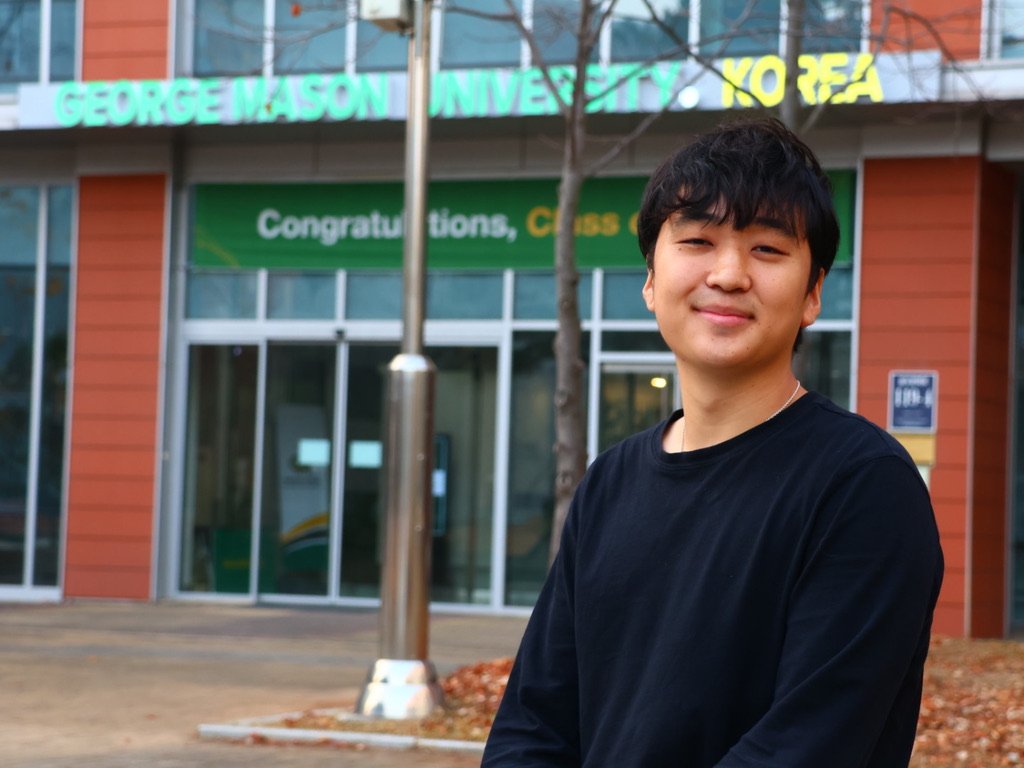
From cooking for his grandmother to building a senior nutrition company grounded in dignity, culture, and care.
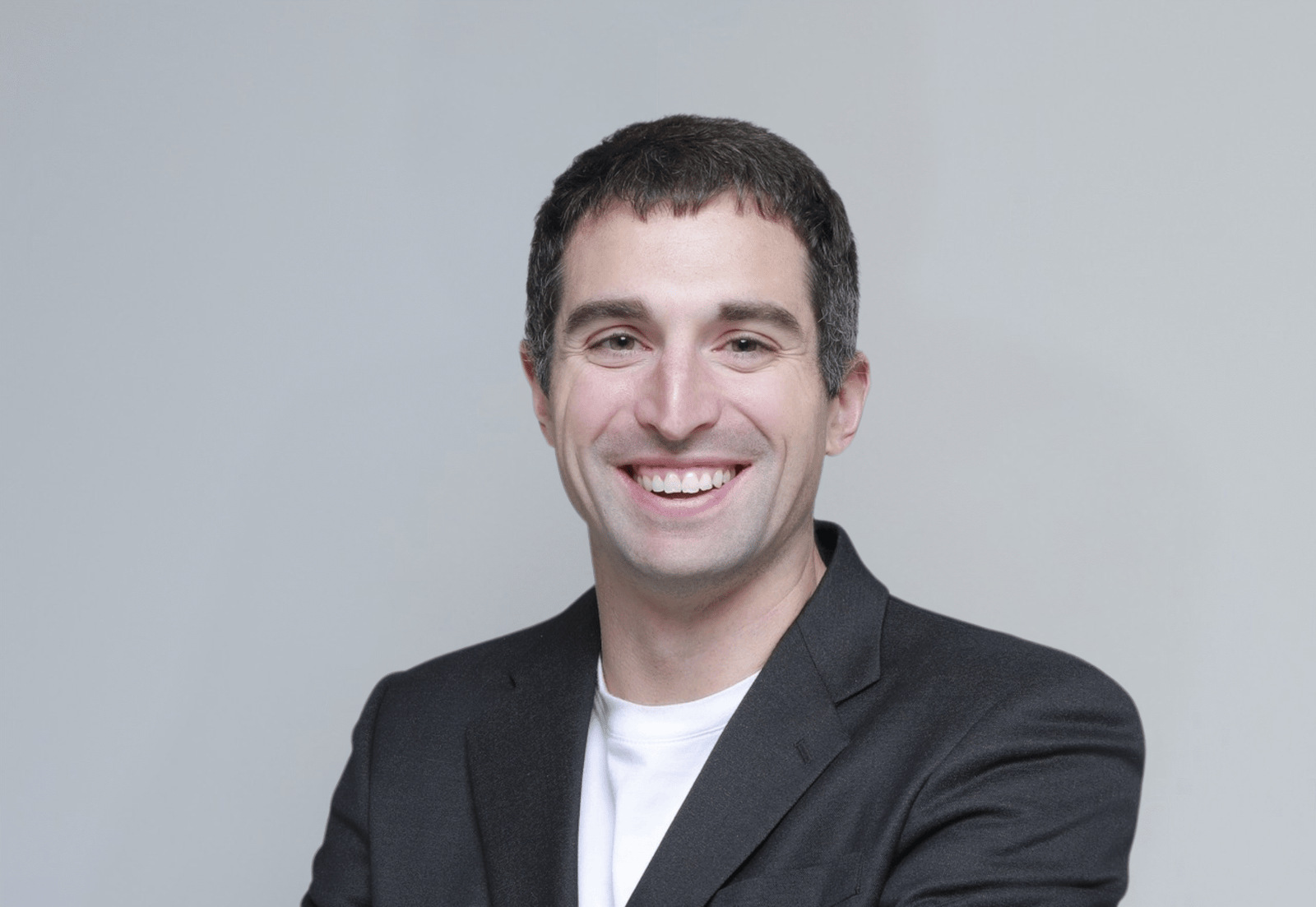
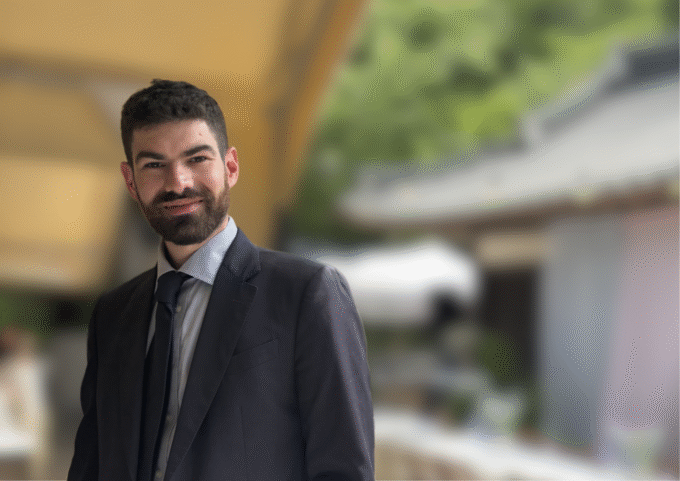
Zach Jinsuk Suh is the Founder & CEO of Homeplate, a U.S.-based company delivering dietitian-designed, chef-prepared meals for seniors. What began with cooking for his grandmother became a bigger mission: raising the standard of care through food that supports both health and dignity. In this conversation, Zach shares what he learned from families and caregivers, how he validated demand beyond his personal network, and how Homeplate is scaling through partnerships while keeping quality and customer satisfaction at the center.
As you get older, the level of care should be the highest quality possible.
I would like to start by taking us back to the moment that started it all, which was cooking for your grandmother. What did that experience teach you about care, dignity and food?
The first thing is that a lot of seniors and caregivers, especially loved ones, are unsatisfied with how the current senior care system is structured. The senior care facilities and the level of care they have to provide is very hard and very difficult.
But for a lot of loved ones and patients, they really want to see care put into the meals themselves. It’s not just the nursing part of it, it’s also the food part. As people age, there’s this belief that the quality and the level of care that needs to go into these services can be downgraded a little bit.
I think it should be the very opposite. As you get older, the level of care should get to the utmost quality. It should be the highest quality possible. A lot of loved ones, caregivers, and people like myself and my family resonated with that mission.
That’s what Homeplate is building on: trying to maximize the quality of life for seniors. I’ve talked to many caregivers, and yes, the health of the meals is very important, how nutritious it is. But at the end of the day, they want to make sure their parents are having the best life experiences.
As you’re getting older, you want to make sure they’re having the best quality of life they can possibly have. With the number of conditions that come with aging, there are a bunch of different problems around how we accommodate them. Our mission at Homeplate is to combine that dignity and that level of care with being nutritious, making sure their health is at the utmost quality, and also recognizing that their mental well-being is very important in that.
That’s what we try to do at Homeplate.
At what point did you realize that, this could grow from something personal into a real business?
I started cooking for my grandma in 2023. At first, family reached out to me, more distant family like my second cousins, and they said they loved what I was doing and would be interested in this for their parents.
So I started cooking for them. It was very casual. They would come over and pick up some meals, and it was a very unofficial way to start. But then more people reached out. It became family to friends, and eventually strangers started reaching out too, saying they’d be interested in the service.
That’s when I realized there was a need for this in the market. Through that, I had the courage to apply for pitch competitions. I did the George Mason pitch competition my freshman year and won 7K, which at the time was so much money, especially for a freshman. I started pouring that straight into the business, and then we launched our private chef model, which I can talk about more as well.
What first validated me to pursue this was the support of my family, then friends, and the biggest thing was strangers. People always talk about the “mom test.” Your mom will always say you’re doing a great job. But the big thing was when strangers said, “We love the meals you’re making. We love what you guys are doing.” That gave me a lot of belief in our mission and what we can do.
What were the first steps you took to turn Homeplate from a home kitchen idea into a professional service?
First, I looked at the legal structure of everything. My background is in the kitchen, so I had the food side down. The first step was figuring out how we could legally operate. We found success by being private chefs because at the time, even with the 7K and a little bit of funding, we couldn’t afford a kitchen. That’s very expensive.
So we had a team of dietitians. I was a chef, and I consulted with them and went to people’s houses and cooked for them myself. A big thing you learn in the startup world is what they call bootstrapping. It means you have to do what you can with what you have. The reality is we didn’t have much money, and we didn’t have funding for a lot of our activities. So my first goal was figuring out how we could move forward from there. That’s why we started with the private chef model.
The second thing you have to think about, which is a big idea in the VC and startup world, is scaling. Scaling means: how do you multiply your service? How do you expand your service? That’s something we’re still figuring out. With something like Homeplate, where we have physical meals and we’re trying to scale those meals out, it becomes an operational problem to solve. Our current focus is how we can keep our quality as high as we want and scale it to as many people as possible.
That’s a big focus for us right now.
How do you ensure that each meal, not only meets the medical needs but also feels familiar and comforting to seniors, especially those from Korean or other cultural backgrounds?
My whole ideology is that you need someone from the culture to consult on the meals. Right now, we’re creating American meals. Me being Korean American plays into that. I have confidence that I can cook American meals.
I grew up cooking American meals and working in American kitchens, and I also grew up eating Korean food from my grandma and my parents, during family outings, and being in Korea as well. So I have a lot of confidence in that, and that’s why I want to deliver Korean American meals.
Of course, we want to expand to other cuisines eventually. But to expand, we’d have to talk to other chefs from those cultures, or not even chefs, but families and people from the culture. Even though the internet is vast, I’ve found there’s a big shortage of cultural recipes available online because grandmas don’t measure. It’s not all online, so you have to go and talk to people.
If we want to expand and be inclusive of all cultures, we need to go and talk to those cultures.
What role do partnerships with care services play in scaling Homeplate’s impact?
That’s how we plan on scaling: through partnerships with organizations. Right now, we’re working with some of the largest senior care facilities in Virginia to help scale our product. It’s a good way to interact with a large number of consumers, and it also allows us to get our meals to customers at scale while still keeping quality high.
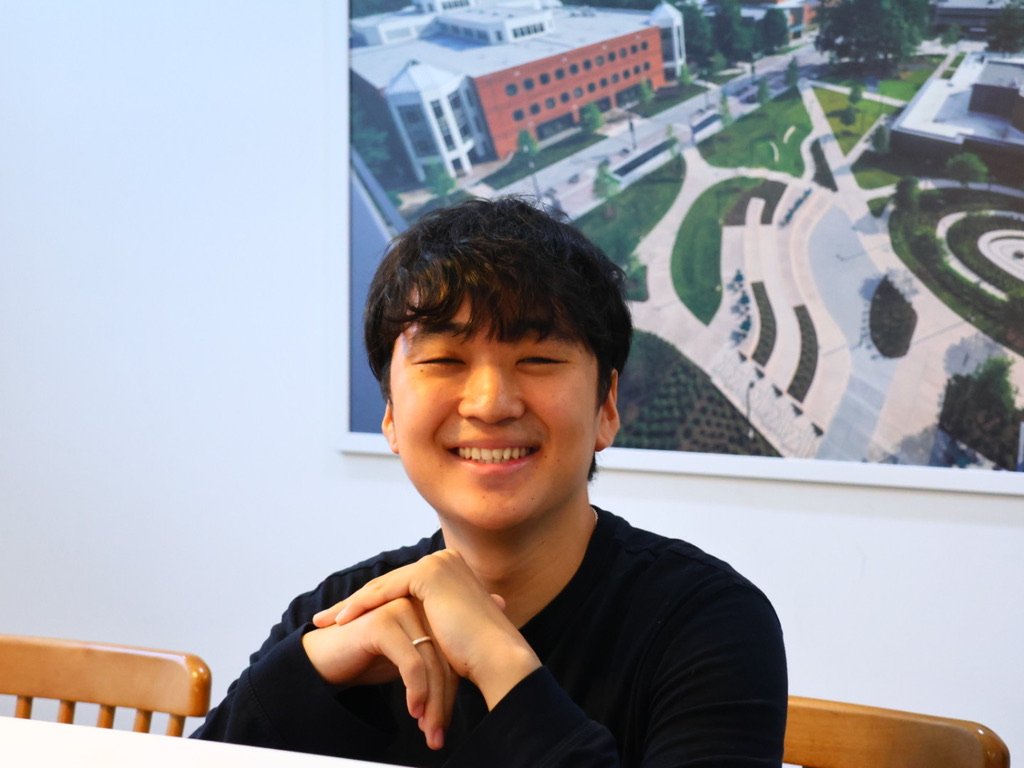
You are a Korean founder building a business in the United States – how has your cultural background influenced your approach to entrepreneurship?
A big thing in the startup world is differentiators. How do you differentiate yourself from other people? The reality is, more likely than not, someone has the exact same idea as you. If you have an idea that no one else has, I don’t know if it’s a good idea. Usually, if you truly have a unique idea, it’s going to be like launching spaceships to Mars. In reality, most solutions have already been done.
So then it becomes a question of your team. Venture capitalists invest in the team itself. Ideas don’t matter that much. People investing money in large quantities are looking at the people first, and the idea comes second, because you’re going to pivot a number of times when you’re building a venture. I’ve pivoted many times.
Tying back to my Korean American roots, I think tying my Korean roots into our cooking is a differentiator in the business. If you look at the ready-to-eat meal care industry, no one’s really doing Korean cultural meals. There are people trying to do it, but large corporations aren’t focused on diverse meals because they have such a huge operation. They’re trying to mass-make for the largest market possible.
Being Korean American has allowed me to identify that niche. There are Korean people in the U.S. who put a lot of value into these meals. They told me they would put a lot of value in meals that are medically oriented. That’s how being Korean American has allowed me to differentiate in this huge world of ready-to-eat meals.
You have to bootstrap. You have to make do. You have to keep going.
What challenges have you faced operating in a different cultural and business environment, and how have you overcome them?
To answer it quickly: you have to bootstrap, you have to make do, and you have to keep going. You also have to pivot many times. Originally, we were going to be meals delivered straight to your door, which we are now, but I realized very quickly we couldn’t do that with our current funding. So I switched to the private chef model, but there were many iterations, and there were many times where I failed.
I wouldn’t show those failures to customers, of course. But there were days I was going to someone’s house and realized I didn’t put the location on for the meals I’m delivering, and now I have to drive four hours. I’m thinking, this is going to take me 12 hours to cook, and maybe five meals. You make big mistakes. I realized if that was one of my employees, I would have lost a huge amount of money and upset my employee.
There’s nothing to do except try it out. In the startup world, you have to fail fast. The best way to test your ideas, especially if you haven’t been in the industry for very long, is to minimize your losses. Don’t go crazy. Do what you can with what you have, and try it out. If it fails, it fails, and then you pivot to something else.
That’s what’s allowed me to get to where I am now, as polished as our business might seem. You have to constantly iterate. There are constant times where you fail, and every successful startup has had that. They just don’t always show it or talk about it, but it’s necessary for the process, in my opinion.
Do you think your Korean roots bring a different perspective to elderly care and nutrition in the U.S.?
100%. A funny thing is Homeplate was first called Elderly Eats, but one of our judges on a funding panel hated the name. They said, “Why would you call us elderly? We’re 55, and we don’t want to be called elderly.”
And that’s true. In the States, “elderly” has a stigma around it. When you think of elderly care in America, it’s more like putting people in senior homes. It’s kind of just aging out, losing cognitive ability.
But in Korean culture, it’s very different. Being here in Korea, the way we address everybody is rooted in respect. You have to be respectful of your elders. It’s a big deal to use the right terms and the right form of respect based on how old someone is. That’s played a big role for me. Even being Korean American, it was a shock to me how elders were viewed differently compared to Korean culture.
I’ve noticed immigrants in general, my family being immigrants, plays a big part too. Immigrant families focus a lot on home care, taking care of your elders as they get older. They want to provide care for their parents. I’m not saying Americans don’t care for their parents, but in Korean culture it’s more like we’re going to take full-time care of our parents as long as we possibly can.
That level of care is something I’ve tried bringing into our service. I cook like I’m cooking for a loved one. That’s a big part of the culture I’ve incorporated into our meals.
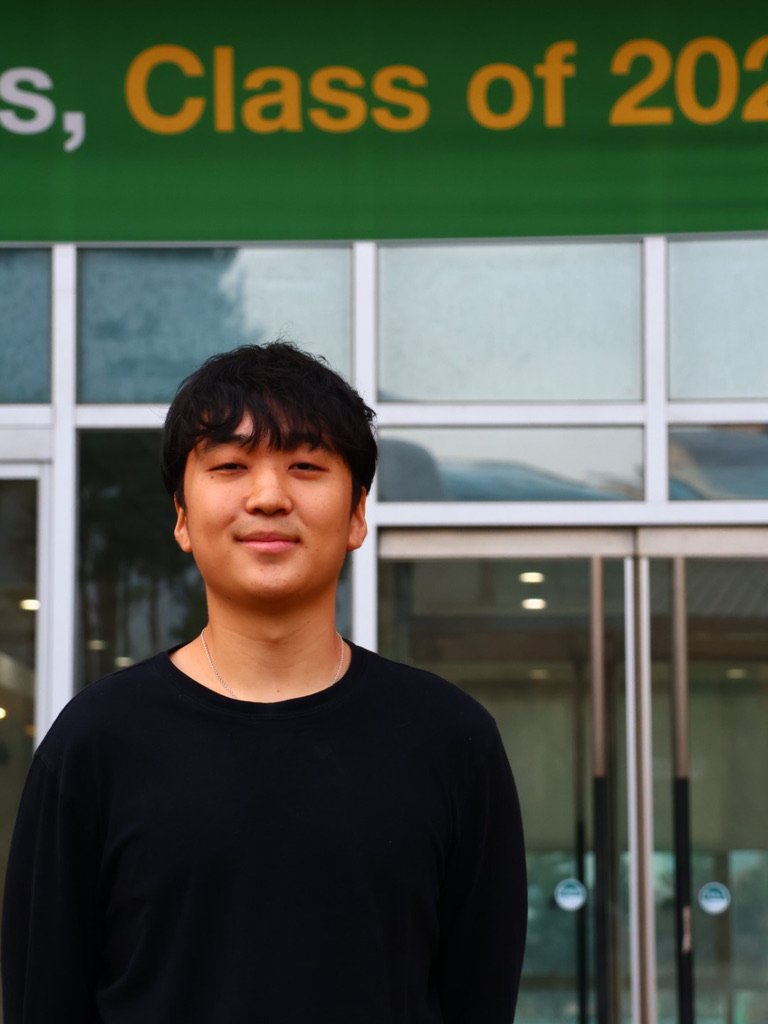
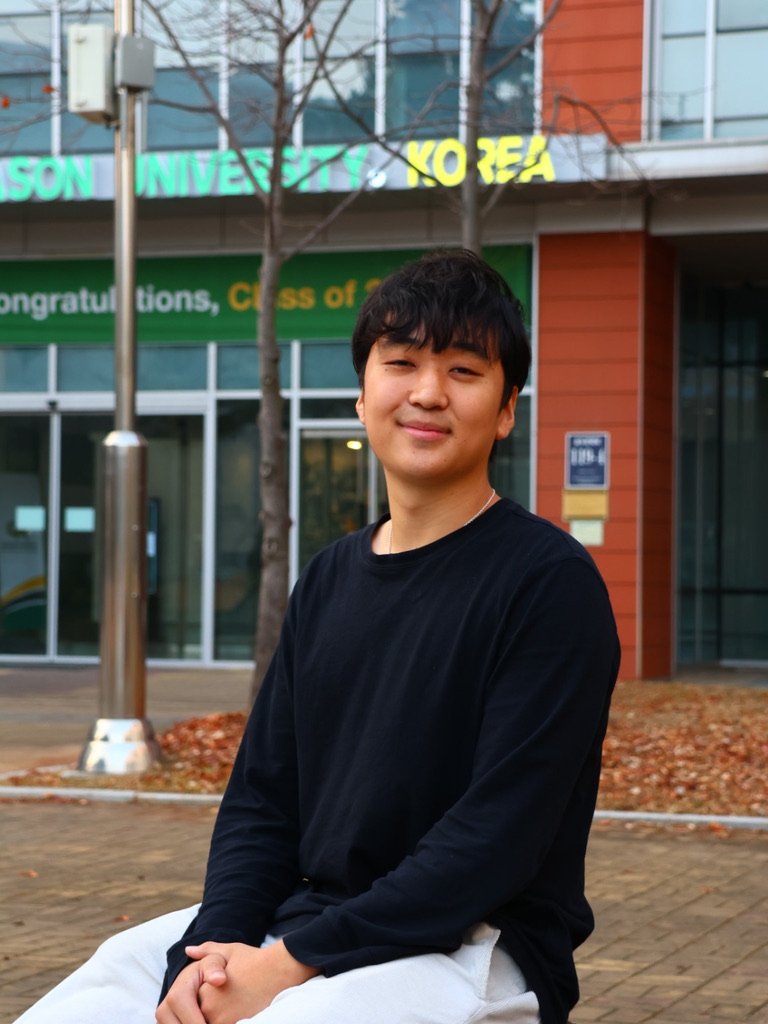
You’re still a university student, yet already leading a social-impact company. How do you balance the demands of school and running a business?
It’s hard. There’s no really structured way I do it. I go to school, I do the company, and sometimes priorities change. But I think if you try hard to find a different solution, and not always brute force your way through, there are ways around it.
I’ll give you an example. Next semester when I go back, we’re looking to scale our operations to a real kitchen and start delivering meals to partners like large senior facilities. They understand I’m a student, but it’s business. They don’t want to sign a contract with someone who’s a full-time student running what they’d consider a side business.
So I realized this has to become a primary business for me, and they need to see that I’m fully committed with my time. Next semester, I’m taking half classes, so I’m going to be a part-time student through our business program. I’m working with the department right now, and they’re going to allow my startup to count for credits.
That’s an example of how you can navigate. Sometimes I get stuck and think there’s no solution, but if you ask yourself whether there’s a solution you haven’t found, there’s usually an answer.
Has being a young founder ever made it harder to be taken seriously, especially when you’re still a full-time student?
I think specifically in the elderly care industry, what I’ve noticed is that people are very supportive of seeing a young entrepreneur in the space. Senior care isn’t at a satisfactory level, but it’s not their fault. Almost every person I’ve talked to in the industry cares deeply about the issue. It’s just that it’s very expensive to do full-time care, and that’s a hurdle they constantly have to overcome.
But I’ve noticed that the people I’ve talked to in the elderly care industry have been very supportive of what I do. They understand I’m a student. For example, our biggest partnership right now has been very accommodating about my schedule and how we can make the hours work.
For me, it’s less that anyone has said, “You’re a student, how are you going to focus on it?” It’s more that I want to respect the fact that they’re putting trust in me, and I want to make sure I can put my best foot forward. Overall, they’ve been very supportive of me being a student and of a young entrepreneur in the elderly care industry.
What do you think younger founders bring to the table that traditional entrepreneurs might overlook?
From what I’ve seen, older entrepreneurs are pretty supportive of young entrepreneurs. The biggest thing is that being naive is actually a really big advantage for a young founder.
When people ask, “What made you think you could do this?” I didn’t really think much. I just had this goal, and I looked at the next steps I needed to take. I didn’t fully understand the blood, sweat, and tears that were going to go into it. When I started my private chef model, I didn’t imagine that because I didn’t put the location, I’d be driving 12 hours to a client’s house. But that kind of naivety allows young founders to succeed.
You see all these young founders trying to create startups. The reality is 99.99% of those startups are going to fail, but we believe we can do it. We don’t see all the hardships we’re going to have to navigate through, the pivots we’re going to have to do. But that kind of being naive has allowed us to succeed in a way.
As you get older, the level of care should be the highest quality possible.
What kind of feedback have you received from families and caregivers using Homeplate’s meals? Any moment that reaffirmed why you do this?
Of course, my grandma was the biggest story, cooking for her. But for me, there’s a specific one. Her name was Loretta Foster, and she was one of my first clients for the private chef model. I came to her house and cooked all the meals. It was the first time I’d ever cooked for a stranger for a company.
I was terrified. I stayed there for five or six hours trying to perfect every single thing I did. Afterward, they emailed me and said, “The food you made was the best we’ve ever had.” They referred us to their whole neighborhood.
That one email, “We really enjoyed your food. We’re going to refer you,” reaffirmed for me that we really have something here, and we really can do it.
How do you measure Homeplate’s success, beyond revenue?
I think it’s our customers, and how they respond to our meals. I’ve told our partners that we won’t scale until we believe we can make our customers satisfied. Of course, in the world, you want to scale really quickly and reach as many people as possible, and that’s important for a business. But we want to make sure every one of our customers is satisfied with the meals they have.
Customer satisfaction is our number one priority. That means coupling the taste of the meal with the nutrition of the meal. If we have a product people actually enjoy the taste of, and it’s nutritious with evidence-backed research, and we can do that at scale, then we’ve succeeded as a business. We have a working business model.
Then we can look at the numbers and scale out. But first, I want to make sure that, even if it’s still small-scale, we can deliver meals that taste good and are evidence-backed with nutrition. That’s my biggest focus.
Start right now. Do whatever you can do right now.
What’s your long-term vision? Do you plan to expand Homeplate beyond Virginia – maybe even to Korea someday?
Korea is a very interesting case because they have one of the largest aging populations compared to the younger population, which means there are fewer young people who can take care of their elders. We do plan on expanding throughout the country, and if we can go international, we’d love to go international as well.
What’s the biggest lesson you’ve learned so far about entrepreneurship, especially in the healthcare or eldercare space?
I’ve learned a lot, but I keep going back to one idea. I think it was Mark Zuckerberg who said this, but it was basically: no one knows how to build something that gets a million people involved. So how did he do that? How did he create a platform that got millions and billions of people involved? The reality is, no one really knows how to do that. You just have to start.
So the biggest advice I’d give to people is: start right now. Do whatever you can do right now. Make it as bootstrapped as possible. Make your website as quick as possible. Push things out as fast as possible. Talk to customers before you even have something working. It doesn’t mean you sell to them. Don’t sell to them at the start. It’s called customer discovery. You need to talk to your customers first and understand them.
Start now, and understand you’re going to be naive and make mistakes. Every other success story started out naive and made mistakes. You have to start from zero. You’ll eventually make it if you keep trying and you keep failing.
If you could go back to when you first started, what would you do differently?
I don’t know what I would change. I don’t think I would change anything, because I’m a firm believer that everything happens for a reason. The theme of what I’ve been saying is that you need to fail.
I don’t think I would change anything I’ve done in the past, because all my failures have led me to where I am now. It’s uncertain where I would end up if I changed something, but where I am now, I’m happy. I made mistakes, and I’ve learned from those mistakes.
There’s infinite material online on how not to fail. There are so many books and so much literature on how to run a successful startup, and it’s all important. But you only truly learn when you act on it yourself. So if I had to tell my younger self something, I still don’t think I would listen, because you have to try it out yourself and fail yourself.
So I don’t think there’s anything I would change.
What advice would you give to other young founders who want to build purpose-driven businesses?
One big thing is that we need to see businesses that are social impact, and they don’t need to be nonprofit. In the past, social impact and business almost seemed like they went against each other. If you’re a nonprofit, you do nonprofit things. If you’re a business, you make money. That’s a misnomer, in my opinion.
Some of the most successful initiatives I’ve seen in the social impact space are for-profit companies. When you have a for-profit business, there’s agility and a level of care that gets put into the service and into making customers happy.
Young entrepreneurs need to see that just because you’re a business doesn’t mean you don’t focus on CSR, and it doesn’t mean you don’t focus on social impact. And just because you’re a nonprofit doesn’t mean you can’t orient yourself like a business. They’re very similar if you incorporate them together.
Both worlds can interact with each other and learn from each other, and be the best of both worlds. I would encourage people, no matter what kind of startup you have, even if you have an AR startup, you can orient your business to social impact in a certain way.
There’s always a way to identify it, and I think it’ll help your business differentiate and succeed in ways you wouldn’t expect.
Connect with Zach Jinsuk Suh
To learn more about Homeplate and its mission to improve senior nutrition and quality of life, visit their website or connect with Zachary Suh on LinkedIn.
Interview by Vasiliki Panayi, Founder & Editor-in-Chief of The Global Founder.






Leave a comment