


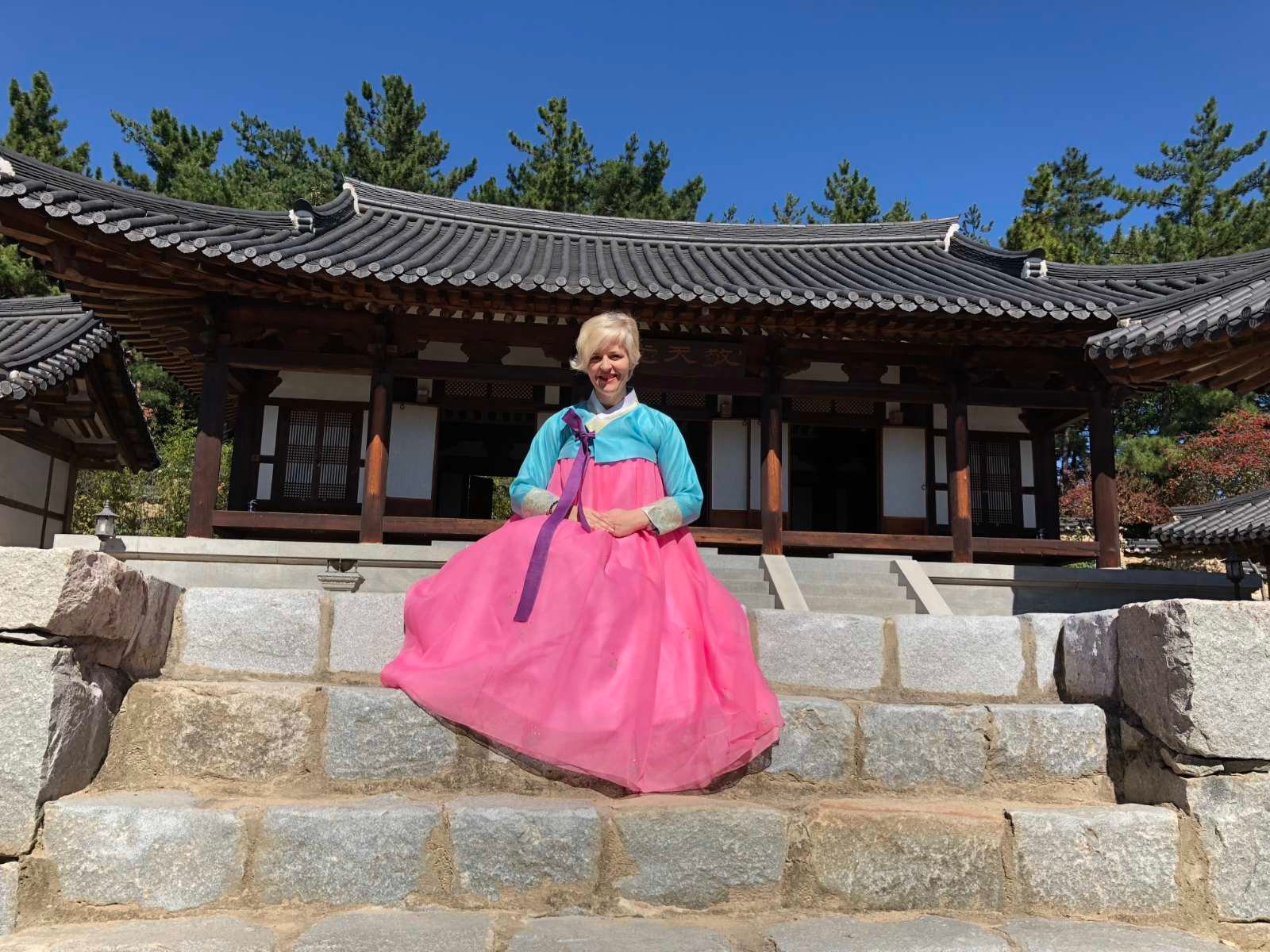
From Belgium to Korea, Aline Verduyn transforms language, empathy, and experience into the foundation of Cross The Bridge, a consultancy helping professionals work across cultures with clarity and confidence.
In today’s interconnected economy, businesses succeed not just by speaking the same language but by understanding the values, expectations, and unspoken rules behind it. Few people embody this truth as clearly as Aline Verduyn, the founder of “Cross The Bridge”, a consultancy specializing in cross-cultural communication between Korea and the world.
Born and raised in Belgium but shaped by formative years in Korea, she has spent her career moving between two worlds – translating not only words but intent, nuance, and cultural context. Her work centers on cross-cultural communication between Korea and the world, helping professionals bridge language, leadership, and business expectations.Her story is one of resilience, curiosity, and a deep commitment to building genuine connections across borders.
In this interview, she shares her journey from a high school graduate wandering the streets of Haeundae to becoming a trusted cultural bridge between Korea and Europe. Along the way, she reflects on the challenges of founding a business abroad, the lessons she’s learned about trust and communication, and her vision for the future of cross-cultural collaboration.
My role is not just translating language, but also the intent and values behind behaviors.
Can you share more about your journey from Belgium to Korea, and how those experiences influenced your professional path?
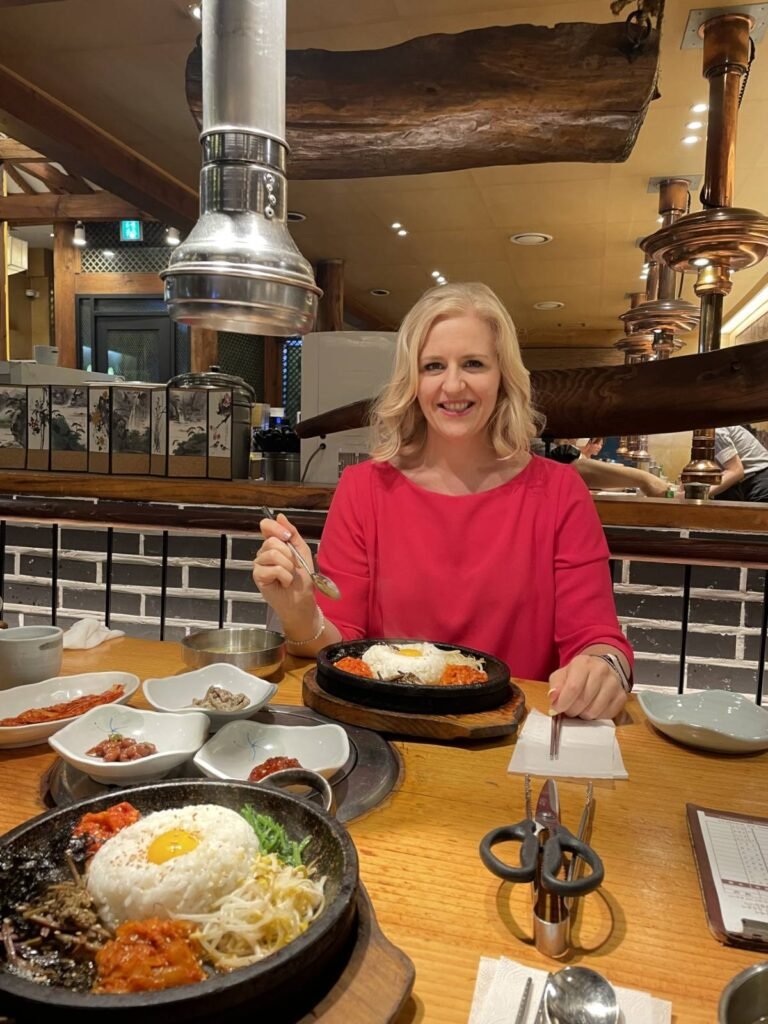
In the summer of 2002, I walked the streets of Haeundae, fresh out of high school with my CV in hand, looking for an opportunity. Unsure whether I wanted to become a teacher, I thought a summer teaching English to motivated children might help me decide. And it did! Thanks to Mrs. Lee and her students – who insisted I know as much Korean as they knew English – I found myself inspired to study the language at Pusan National University’s language academy. That was the first step in bridging the gap between Korea and me.
Motivated to return, in 2005, I came back as an exchange student at Kyung Hee University to study Korea’s remarkable economic development. It reaffirmed my first impression: Korea’s resilience and drive set it apart, from its entertainment and food to its cars and technology.
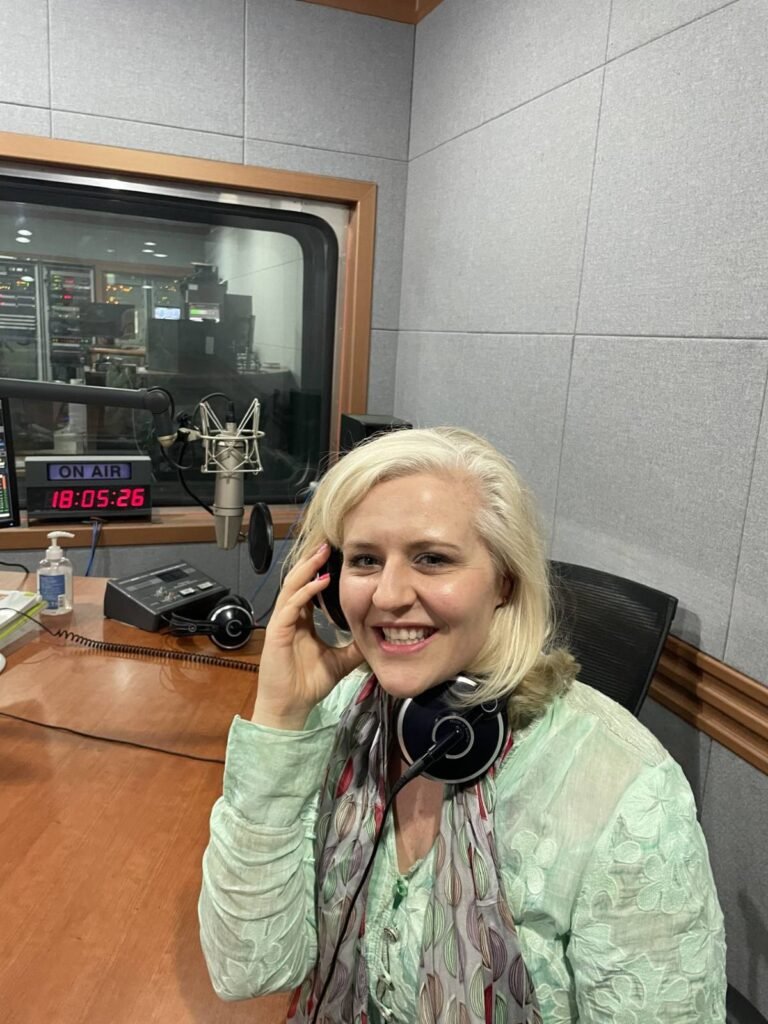
My next visit wasn’t until 2018, when I was granted a government scholarship to study Korean linguistics. On a mission to master the Korean language, I co-hosted a bilingual radio program at Gwangju Global Network, served as vice president of the Korean Toastmasters Club, and appeared on KBS1, among other opportunities.
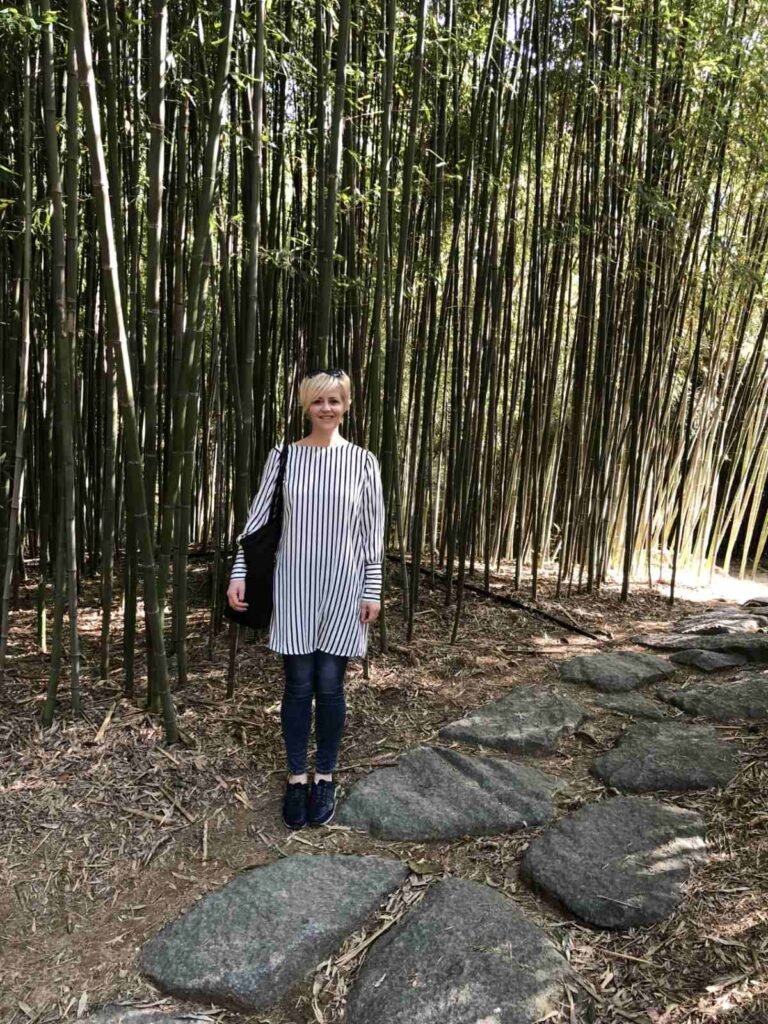
These experiences in Korea truly shaped me, each showing me who I was and where I belonged. Belgium may have my passport, but Korea has my heart.
What inspired you to create Cross The Bridge? Was there a specific moment when you recognized the need for these services?
When I was 18, my Korean colleagues relied on me in communication with other foreign colleagues. That’s when I first played the role of a “bridge crosser,” yet back then it didn’t occur to me to turn it into a profession. I took a more traditional corporate job route, yet I wasn’t able to fully use my talents there. Realizing this, I finally leaped and started Cross The Bridge in Belgium last year.
When Korea was focused on its own benchmarks and internal challenges, the rest of the world was riding the Hallyu wave. People were beginning to see just the tip of the iceberg of why I’ve loved Korean culture for so many years.
Being the translator in the room often put me in a unique position: I could hear both sides of the story and see exactly where the gaps were forming. The challenge, and the opportunity, was to close that gap. I didn’t want to just notice the problem; I wanted to be part of the solution.

What challenges did you encounter in starting a business in Belgium that is primarily focused on Korean clients and global professionals connected to Korea?
Korean business activity in Belgium isn’t constant, so I cherish every opportunity that comes my way. From a Belgian perspective, the clients are relieved to find someone who can translate not only language but also culture. From a Korean perspective, my value is sometimes only fully appreciated in hindsight – at first, decision-makers may hesitate because I’m not Korean. But once they work with me, they realize it’s not just Korean knowledge that matters, but local insight and involvement. Rather than relying on a Korean translator who speaks English, I bring a unique combination: a Belgian on home territory, fluent in Dutch, French, English, and Korean, who bridges the cultural and business contexts. That combination has repeatedly turned hesitation into a fruitful collaboration.
Was there a defining moment when you realized there was a strong demand for your services?
Rather than a sudden surge in demand, I’d say Korea is still at the stage of not fully realizing that cross-cultural consultancy is a need, not an unnecessary luxury. In reality, it’s essential to integrate it early on, in any collaboration, to prevent misunderstandings, unmet expectations, or even projects falling apart halfway through.
Over the years, I’ve heard countless anecdotes from both expats and Koreans that left me genuinely sad for the missed opportunities. If only the cultures hadn’t clashed, if only both sides had been on the same page, if only intentions hadn’t been misunderstood. So much more could have been achieved. Those stories reinforced my conviction that bridging these gaps isn’t optional, but critical.
How do you establish trust when building client relationships in Korea?
Building rapport in Korea can be challenging as a foreigner, especially when you don’t fit the usual social molds. I may not share every local custom, but I do connect through values Koreans hold dear: diligence, humility, and pride in their country.
Often, Koreans are so focused on progress that they forget what their country has already achieved. When I’m asked what I love about Korea, I highlight what many foreigners deeply admire but Koreans sometimes take for granted: safety, exceptional service, and the sense of societal order that’s rare elsewhere.
My approach is simple: I enter relationships with transparency and genuine intent. By encouraging others, recognizing their strengths, and delivering tangible results, I allow my work to speak for itself. Over time, that combination of respect, recognition, and proven outcomes naturally leads to mutual trust.
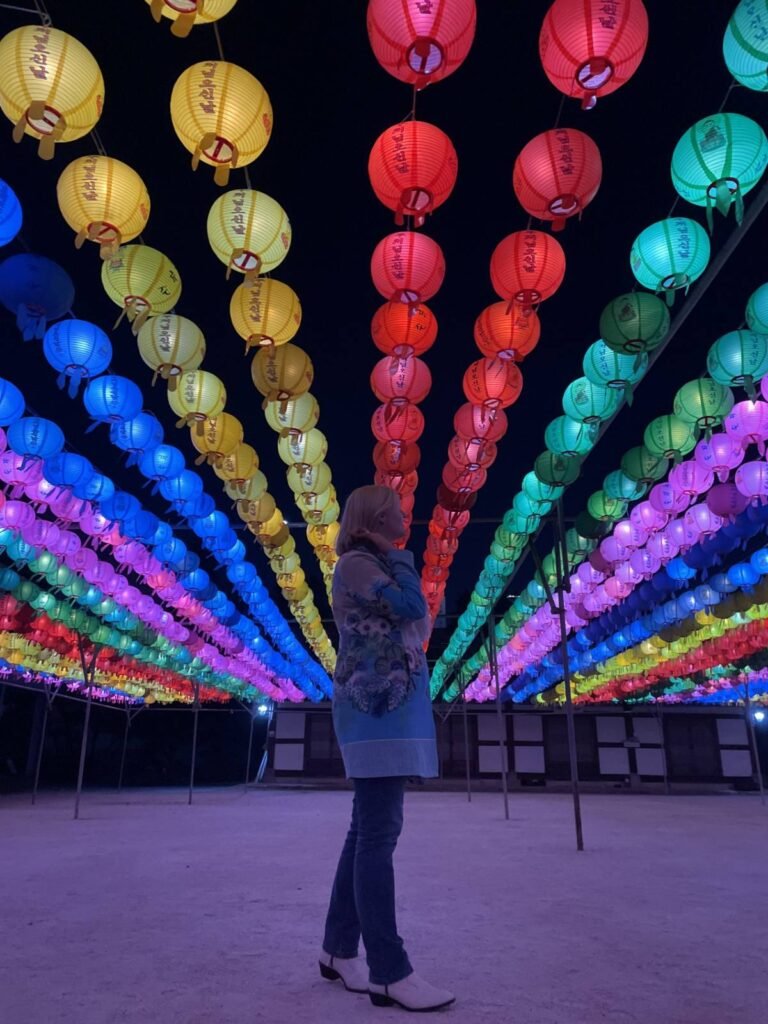
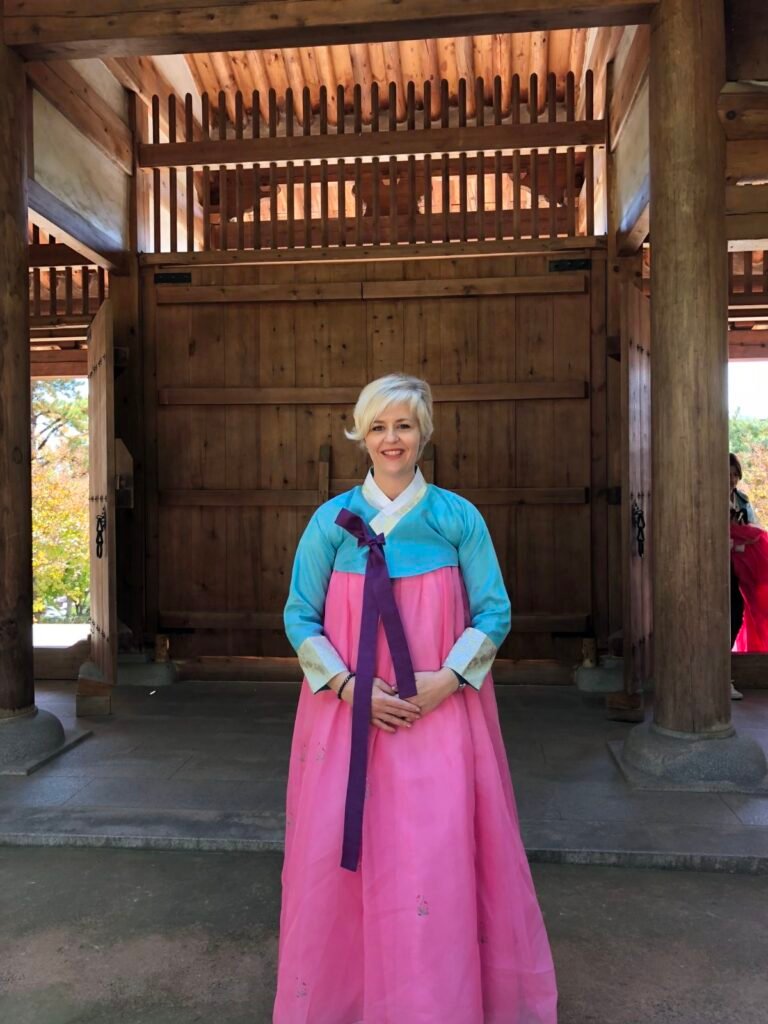
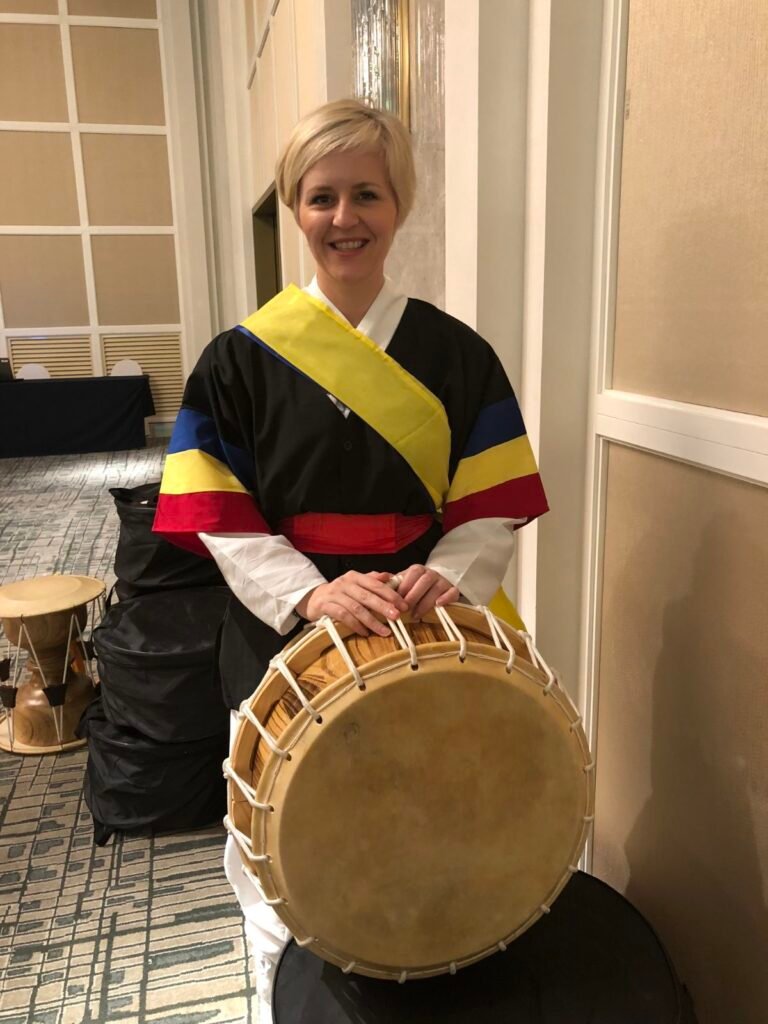
True understanding doesn’t rest on one side adapting; it’s a mutual commitment.
Cross The Bridge combines Business English for Koreans, Korean lessons for foreigners, translation services, and cross-cultural management. How did you determine this combination, and why do you believe it meets the needs of Korean professionals?
What began as a personal challenge to discover my strengths and put my skills to work evolved into a unique combination of services shaped by every opportunity along the way.
The bridge between Korea and the world has to be built and crossed from both ends. That’s why I designed Cross The Bridge to serve not only Koreans through Business English and cultural insight, but also foreigners – working with them through Korean lessons, translation, and cross-cultural management. Cross-cultural communication between Korea and the world is at the heart of everything we do. It’s the foundation for collaboration, empathy, and real understanding.
True understanding doesn’t rest on one side adapting; it’s a mutual commitment. By supporting both groups, I create the conditions for smoother communication, stronger relationships, and ultimately more successful collaborations.
Since your work revolves around language and culture, what are the most common challenges you see Koreans and foreigners face when working together?
My bridge is built with bricks of communication and collaboration, and those bricks can look very different depending on the culture – navigating cross-cultural communication between Korea and the world often means balancing directness and hierarchy while finding common ground in how people work together. Korea has a high-context culture, people communicate indirectly, and decisions are made based on hierarchy and consensus. In Europe, feedback is more direct, and the decision-making process is flatter. This gap can create frustrating situations that later turn into funny anecdotes. A pinch of nunchi (social tact) can go a long way.
Collaboration norms can clash, too. In Korea, after-work gatherings or staying late can feel essential to building trust, while Europeans may expect clearer work-life boundaries. Neither is wrong; they’re just shaped by different values and norms.
That’s where my work begins: creating awareness and inviting everyone to show a little cultural flexibility. When people understand these differences are about culture, not character, it turns potential friction into a genuine connection. That’s when the bridge really holds.
How do you adapt your communication and teaching style between Korean and international clients?
Growing up a third culture kid, I am used to being a cultural chameleon: always translating and reinterpreting. So I naturally adapt my style to my clients. I start by listening, asking what their expectations are, and sharing what results can be expected.
With Western clients, I can be more direct and explicit while also explaining the nuances of the Korean context. With Korean clients, I emphasize that Western culture is not monolithic, and I provide a deeper understanding of how cultural values are embedded in language. In every situation, I try to create a space where everyone feels understood and respected.

In what ways has being a foreign founder influenced your perspective on bridging Korean and global business culture?
Being a foreign founder has given me a rare insider perspective on both sides. In Korea, I can participate in society as expected, while also translating those expectations for other foreigners. Back home in Belgium, I provide the context people need to understand Korean norms, while also helping Korean visitors discover what Western culture has to offer.
Of course, there are moments when I feel like an outsider, never fully belonging to one culture or the other. But that keeps me humble and curious. It reminds me that bridging cultures isn’t about teaching one side to “fix” the other – it’s about helping both recognize the value in each other’s ways of working. My role is not just translating language, but also the intent and values behind behaviors.
It’s also made me more empathetic. I know what it feels like to misunderstand or be misunderstood, so I create safe spaces for questions and mistakes. And it strengthened my belief that diversity isn’t a hurdle to overcome but a source of innovation. When people connect across cultures, they create solutions they might never have imagined on their own.
Although your company is based in Belgium, your services are centered on Korea. What advantages and challenges come with operating this way?
While a seven-hour time difference and no local phone number might sound discouraging to some, it’s actually been an advantage. It allows me to accommodate both markets, so nothing is ever out of reach.
Being based in Belgium has also made me the go-to person for Korean projects here, giving me some amazingly diverse experiences. Korean teams quickly realized that bringing along a translator wasn’t enough. Apart from being a local, I speak the languages and understand both business cultures, so I can create real synergy between Korean visitors and their Belgian counterparts. Sometimes, simply translating words isn’t enough – you need someone who can bridge the cultural and business context, and that’s where I add value.
And while remote work has made cross-border collaboration easier, Korea still places great importance on showing up in person. And after COVID, many companies have shifted back to face-to-face interactions, which means I sometimes miss opportunities on the ground. But it keeps me focused on building intentional, high-quality relationships that endure beyond geography.
Seems like it can be challenging to maintain strong relationships with Korean clients while not currently living there. How do you succeed in this?
As an introvert, I’ll admit maintaining strong ties from abroad takes effort – but I’ve learned to approach it intentionally. In Korea, staying in touch is handled differently than in the West: relationships often need consistent visibility to stay top-of-mind. I stay connected through regular check-ins: a quick KakaoTalk message or sometimes sharing an article or insight that’s relevant to their business.
Even if there’s a quiet period, I’ve found that the trust we’ve built allows us to pick up seamlessly when opportunities arise again. And whenever I’m in Korea, I make a point of meeting clients face-to-face, because physical presence still carries significant weight there. Balancing these touchpoints keeps our relationships strong, even across borders.
Do you plan to return to Korea, and how do you see that shaping the future of Cross The Bridge?
Absolutely! I fully intend to return to Korea. It’s the home of my soul, and being there physically is essential for the kind of deep, relationship-based work I do. While I’m currently focused on strengthening this end of the bridge in Europe (building partnerships, refining our services, and connecting Korean businesses with European opportunities), in the future, I will need to invest just as deeply on the Korean side.
Being on the ground in Korea will allow me to nurture relationships face-to-face, stay in tune with shifts in the market and culture, and expand Cross The Bridge’s network directly. I believe that presence will open doors to collaborations and insights that can only happen in person. In many ways, returning to Korea isn’t just a personal dream; it’s a strategic step that will ensure Cross The Bridge grows as a truly bicultural platform. And I have a feeling that step will happen sooner rather than later.
Where do you see Cross The Bridge in the next five years? Do you envision expanding services further within Korea, as you mentioned, or developing new types of cross-cultural programs?
For sure, as I feel like I’m just stepping onto the first rungs of a very tall ladder – there’s so much potential ahead. In Korea, that means expanding our services beyond cultural training. Developing tailored onboarding programs for foreign professionals, workshops for Korean teams entering new markets, and perhaps even partnerships with universities or innovation hubs.
The core mission won’t change: building genuine understanding between people and cultures. But the scale, the tools, and the impact will grow. I see Cross The Bridge not just as a consultancy specializing in cross-cultural communication between Korea and the world, but as a true bridge-builder, helping Korean and global professionals work together more effectively in a rapidly changing world.
On a personal level, what kind of impact do you hope to make in the space of cross-cultural communication and education?
I don’t want to be the only one who can cross the bridge. My goal is to empower others, Koreans and internationals alike, to develop the awareness, empathy, and practical skills to do it themselves.
If, years from now, teams can collaborate smoothly across cultures without needing me in the room, that will feel like success. I want to normalize curiosity instead of judgment, and show that cultural differences aren’t barriers but sources of creativity and growth.
Ultimately, I hope my work helps create a ripple effect: more inclusive workplaces, stronger partnerships, and individuals who feel confident and valued even when stepping into unfamiliar cultures.

Bridges are built step by step. Lean into curiosity, be brave enough to start before you feel ready, and remember that the moments of discomfort are where the magic happens.
Finally, if you could give one piece of advice to your younger self before starting this journey, what would it be?
I’d probably say: Trust that your unique path is an asset, not a liability. All those years of moving between countries, transferring schools, learning languages, and feeling a little “in-between” were actually preparing you for this exact work.
I’d also remind her not to wait for perfect timing or perfect confidence. Bridges are built step by step. Lean into curiosity, be brave enough to start before you feel ready, and remember that the moments of discomfort are where the magic happens.
Connect with Aline
To learn more about Aline Verduyn’s work fostering cross-cultural communication between Korea and the world, connect with her on LinkedIn.
Interview by Vasiliki Panayi, Founder & Editor-in-Chief of The Global Founder.





Leave a comment