



How a Canadian professional turned three decades in Korea into a blueprint for expat success and cross-cultural leadership.
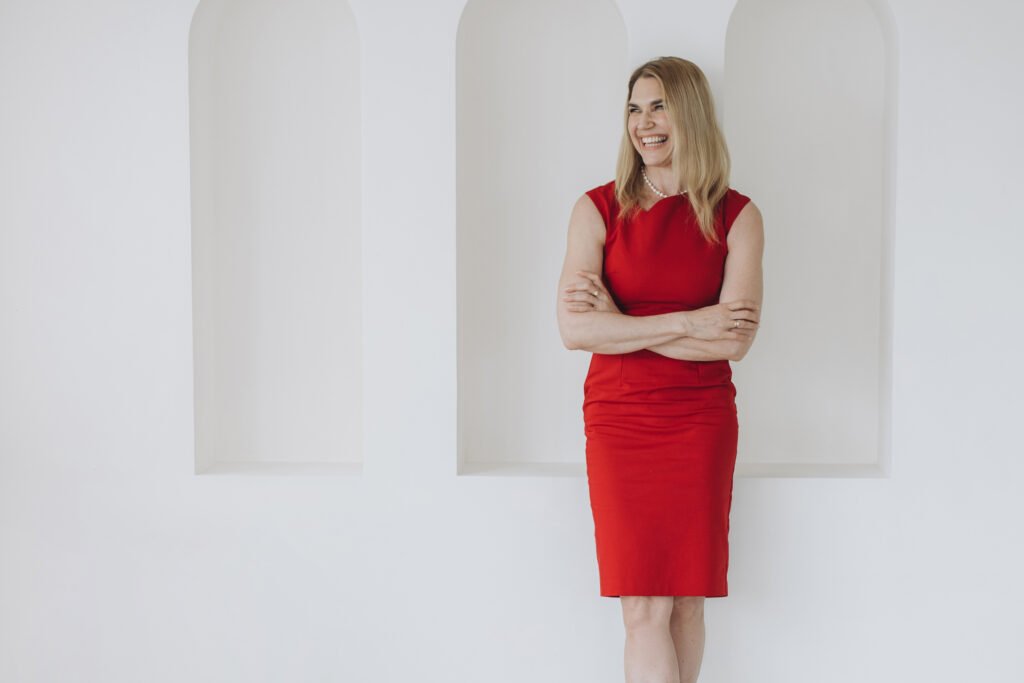
Colleen has spent nearly 30 years building a rare combination of academic credibility and entrepreneurial grit in Korea. From introducing Canada’s first CASI snowboard courses to advising Olympic logistics and launching Seoul Success, she has seen firsthand why top talent struggles to convert CVs into local leadership. In her interview for the Global Founder, Colleen outlines a practical, culturally tuned playbook on how to succeed in Korea as a foreign entrepreneur: master relationship-driven introductions, frame criticism constructively, and use steady iteration – not speed – to build sustainable traction in Korea.
Korea is good at attracting top global talent, but not good at keeping them. That gap – the lack of support and cultural understanding – is exactly what Seoul Success was designed to solve.
Your journey in Korea encompasses academia and entrepreneurship. Could you tell us more about the start of this journey?
I first came to Korea in 1997 with the intention of staying just one year, teaching English. But it turned into nearly three decades. I became a university professor, a role I enjoyed not only for the teaching itself but also because it gave me the flexibility to explore other passions: I appeared on TV shows, wrote books, and eventually realized I wanted to keep growing. That’s when I joined the Canadian Chamber of Commerce to sharpen my business acumen and expand my network. Later, I also pursued two additional Master’s to strengthen my expertise.
Entrepreneurship came naturally. In 1998, my ex-husband and I brought CASI (Canadian Association of Snowboard Instructors) to Korea, making us the first foreign course provider in Asia in that field. From there, we ran tourism businesses, taking Korean tourists and students to Canada. Later, at the PyeongChang Olympics, our company became a logistics provider for the Canadian Olympic Committee and others. Around that time, I also opened a restaurant near the Olympic Village.
After leaving those ventures, the pandemic created space for me to finally pursue something I’d always wanted to do: help expats succeed in Korea. Over the years, I’ve seen how challenging it can be for foreign professionals to navigate Korean business culture. My coaching program is the culmination of everything I’ve learned in academia, business, and cross-cultural experience, designed to help expats not just survive but thrive here.
This is what brought K-Biz and the Seoul Success program to life? What is your personal experience that highlighted the need for their creation?
What inspired my initiatives really comes down to timing and lived experience. For years, I wanted to create something that would give back to the expat community and help foreign professionals understand how to succeed in Korea’s very unique business culture, especially as a woman. That is when Korea has been exporting its K-culture globally, and I’d already been working with government agencies like the Ministry of Culture on soft-power initiatives. So the idea of KBiz felt natural, allowing me to ride that wave of global interest in “all things K” and apply it to the business world.
The real push, however, came from my personal experience with expats struggling to understand how to succeed in Korea as a foreign entrepreneur, especially within Korea’s complex corporate culture. Over the years, I found myself informally coaching international senior leaders who found themselves frustrated or alienated in Korea despite strong résumés and global experience. I wanted to formalize that support, so KBiz was born.
Finally, a very personal moment solidified it. My brother came to Korea to work as a vice president at Samsung, and despite his seniority, his experience was terrible due to bullying from Korean peers. He ended up suing Samsung, something they tried to brush under the rug.
It struck me: Korea is good at attracting top global talent, but not good at keeping them. That gap – the lack of support and cultural understanding – is exactly what Seoul Success was designed to solve.
Starting a business in Korea as a foreigner comes with unique challenges, and learning how to succeed in Korea as a foreign entrepreneur often means facing those challenges head-on. What were some of the biggest hurdles you encountered early on?
Indeed, it has been a journey full of unexpected challenges. Back in 1998, with CASI, one of the biggest hurdles wasn’t even in Korea – it was convincing the Canadians back home that Koreans were trustworthy partners. At that time, Korea was still largely unknown in North America and often lumped together with China. There was real skepticism, and breaking through that bias was a huge part of the early founder journey.
On the ground in Korea, the challenges were more related to the constant undercurrents of cultural difference. As a foreign woman, especially in those early years, I wasn’t always taken seriously. Some older Korean men treated me more like a companion than a professional, and even some long-term expat Western men here had adopted the same chauvinistic behavior. And then there were diaspora dynamics – Korean Canadians or Korean Americans who sometimes pushed back harder against me than they would against their peers.
One of the toughest challenges, though, was internal. When I shared my experiences of sexism or dismissal, people – Koreans and foreigners alike – would insist “that doesn’t happen here.” I started to doubt myself, and it wasn’t until I spent time back in Canada that I realized I wasn’t imagining things – I did have a voice, and I did belong. That shift in perspective gave me the confidence to push forward.
So the founder journey for me has been about breaking through external barriers of perception, gender, and credibility – the same ones many people face when figuring out how to succeed in Korea as a foreign entrepreneur – while also overcoming the internal hurdles of self-doubt. And what I’ve learned is this: every challenge brings its own solution. You just have to stop staring at the problem long enough to see it.
Apart from your initiatives, you are also engaged in academia. But being in both academia and business might be challenging. How did you balance your role as a professor with the demands of building a business?
For me, balance has always been a key part of my life – and it’s one of the main reasons I stayed in Korea. After the 2000s, I found myself a single mother with two children. I had the option to return to Canada, but I realized that the role of professor in Korea gave me something precious: flexibility. It allowed me to balance teaching, running businesses, studying, and raising children. There was also strong support for expats with children here – the one I would not have had back in Canada.
Now that my children are 21 and 17, my balancing act looks different. I’m no longer balancing motherhood, academia, and business at once. Instead, it’s about balancing my role as a professor with the demands of building something new. And honestly, balance has become one of my superpowers.
That said, I admire people who can pick one path and charge forward without looking back. For me, that would feel too risky. I prefer to keep the stability of academia as my safety net while using that foundation to explore and take entrepreneurial risks. That balance between security and growth is what has kept me grounded, resilient, and willing to keep reinventing myself.
It’s often better to ‘fit out’ rather than ‘fit in’ – bringing your unique perspective while still respecting the culture you’re in.
The Seoul Success program is quite unique – combining one-on-one coaching, self-paced learning, and a supportive peer community. How did you design this model, and why do you think it is such a strong fit for the Korean market?
This program is unique because it reflects the reality expats face here in Korea. Challenges come in two forms: some happen in the moment, like being blindsided in a meeting or misinterpreting a colleague’s behavior, where you want immediate answers. That’s what the one-on-one coaching is for. It gives participants a chance to talk through a situation right away and get tailored guidance.
Other challenges aren’t immediate; they build over time – cultural stress, misunderstandings, or feeling excluded. These can become overwhelming if you face them alone. That’s why the peer community is so important. It provides a safe space where people can compare experiences, realize they’re not alone, and learn from one another.
The self-paced learning ties everything together. It equips expats with tools and strategies in advance, so they can prepare for the cultural and professional roadblocks that are almost inevitable here. In Korea especially, where indirect communication and hierarchical dynamics can leave foreigners feeling confused or isolated, this combination of coaching, community, and structured learning is a perfect fit. It provides both immediate solutions and long-term resilience.

In developing your program, what strategies worked really well for you, and what lessons came from things that didn’t go as planned?
In many ways, I’ve been developing Seoul Success for 30 years. From the time I arrived in Korea, I kept detailed notes – stories from the workplace, strategies that did and didn’t work. Writing things down was my way of staying grounded, especially while raising two children with a Korean mother-in-law who didn’t speak English. Over the years, those notes became the foundation of the program.
One strategy that worked really well was collaborating with others to refine my ideas. I worked closely with someone who, even though she had no experience with Korea, was able to listen to my stories and help me shape them into something structured and digestible. That outside perspective was invaluable.
Yet, of course, not everything went as planned. I initially launched the program on a learning platform that turned out to be too expensive and unsustainable – I had to pull back and rethink my approach. And truthfully, the process has taken much longer than I expected. But that delay also became a lesson: building something meaningful takes time.
So the big takeaway for me, and for anyone figuring out how to succeed in Korea as a foreign entrepreneur, has been patience. It’s easy to look at successful people and think they had a straight path, but most have gone through years of iteration. I’ve learned to give myself the same grace – to relax, trust the process, and recognize that every setback is just part of creating something stronger.
For foreign founders who may be considering launching their own business in Korea, what should they know about the local market and its expectations?
Anyone exploring how to succeed in Korea as a foreign entrepreneur needs to recognize that Korea operates on a different set of expectations, both from the market and from the broader society. Even if your target audience is primarily expats, you can’t bypass local cultural dynamics – they will shape how your business is perceived.
One of the biggest realities is that there’s an unspoken expectation that foreigners speak positively about Korea. Only Koreans themselves can publicly critique Korea without facing major backlash. I know of a highly successful foreign creator – fluent in Korean, with a huge domestic following – who shared just one honest but “negative” video about life here. Within days, she received thousands of death threats. That’s the level of sensitivity you’re dealing with.
This also carries over into funding and pitching. If you’re seeking government grants or pitching to Korean investors, you cannot present your business case with blunt criticisms of the local market. You must frame challenges carefully and soften the negatives. Otherwise, you risk being dismissed immediately.
Beyond messaging, hierarchy and relationships matter enormously. Success in Korea doesn’t come from cold calls – it comes from being on the ground, meeting people, and being introduced by trusted gatekeepers. Social clout is the bridge. If you don’t have someone credible to connect you, doors will remain closed.
So, for foreign founders, the real strategy is twofold: adapt your messaging to local sensitivities, and invest in building genuine, long-term relationships. Without those two things, even the best business ideas will struggle to get traction here.
Many expats do indeed face challenges trying to enter the Korean business world. What are the most typical cultural misunderstandings or hurdles here, from your experience?
One of the biggest misunderstandings is assuming that your past achievements – your degree, international experience, or professional track record – will automatically earn you respect and leadership opportunities in Korea. But hierarchy and seniority carry more weight here than credentials from abroad. There can also be a lot of base-level jealousy from Korean peers that can rear its ugly head in the form of sabotage, back-stabbing, concealed racism or xenophobia and gossip.
Another challenge is the expectation of “fitting in.” Many expats think that if they work hard, learn the language, dabble in the culture, adapt, and contribute, they’ll eventually be seen as one of the team. The truth is, you’ll never fully “fit in” – but that’s not necessarily a bad thing. It’s often better to “fit out,” bringing your unique perspective while still respecting the culture you’re in.
There’s also a subtle arrogance that some Westerners bring in: because Korea looks modern on the surface, they assume it operates in the same way. But the deeper you go, the more you realize that Korean ways of working remain distinctly Korean – whether inside the country or in Korean companies abroad.
Ultimately, expats have to learn how to work within the system – understanding hierarchy, relationships, and unspoken rules – without losing themselves. The challenge is finding that balance: respecting the culture while maintaining your own identity and professional integrity.



And about oversights: are there common mistakes you see expats make when trying to establish themselves here – and how can they avoid them?
Yes, there are a few typical mistakes I noticed among fellow expats. Some of them we have briefly discussed before, so let’s talk about their essence and solutions in a more structured way.
- Mistake 1: Assuming credentials automatically earn respect. It is about believing that your university degree, work experience, or past achievements guarantee leadership or credibility. Instead, understand that hierarchy, seniority, and relationships carry more weight here. Focus on building trust and proving competence over time.
- Mistake 2: Trying too hard to “fit in”. Many think that assimilation is the path to success. Yet what is better to do instead is to embrace your unique perspective – “fit out” rather than “fit in” – while respecting cultural norms.
- Mistake 3: Underestimating cultural differences. Don’t assume that Korea operates like Western workplaces because offices look familiar. Instead, make sure you observe the unspoken rules, understand indirect communication, and adapt without losing your identity.
- Mistake 4: Ignoring hierarchy and gatekeepers. Thinking that cold outreach or bypassing social channels will work is not right for Korea. What you should do is identify the gatekeepers, get introductions from credible sources, and invest in relationships.
- Mistake 5: Being overly blunt or negative. Critiquing Korea openly, especially in public or social media, or in funding pitches, can – and will – backfire. What you can do is to frame challenges constructively; keep messaging culturally sensitive. Only Koreans can safely critique local practices.
- Mistake 6: Failing to manage stress and expectations. Cultural misunderstandings, exclusion, or workplace stress can overwhelm you. To avoid this, pause, reflect, and focus on solutions. Develop your sanctuary – mental space and strategies to stay grounded.
- Mistake 7: Neglecting long-term strategy for relationships. Some make the mistake of prioritizing short-term goals over building trust and network. But investing in mentoring, networking, and credibility-building is more effective. Relationships here take time but pay off in influence and access.
- Mistake 8: Overestimating speed and control. Don’t expect rapid results or full control like in Western systems. Be patient, flexible, and prepared for iteration. Embrace the learning curve.
You fell down many times, you faced challenges, and you had failures – but you didn’t give up.
How do you personally strike the balance between Korean business norms and a more global approach?
This has been a conscious, ongoing process for me. I start by deeply observing and decoding the system here, what we discussed about hierarchies, indirect communication, and the importance of relationships. That gives me the cultural map I need to navigate day-to-day interactions effectively. Many years of deep breathing and calming techniques have seen me through some of the tough times!
At the same time, I’m committed to staying true to my own professional identity and global perspective. Instead of trying to “be Korean”, I adapt my approach where it matters most, while still contributing ideas and leadership in ways that reflect my own values and experience. A practical way I do this is by picking my battles. I choose when to conform to expectations – like showing deference in meetings or deferring to seniority – and when to assert a different perspective, particularly in problem-solving or strategic discussions. Over time, I’ve learned that respect and credibility in Korea come from mastering this subtle balance: you honor the culture without losing yourself in the process.
In essence, it’s about alignment rather than compromise. I align my actions with the environment while keeping my principles intact, and that’s what allows me to be effective in both Korean and global contexts.
So far, we have talked about your leadership in local and global contexts. Do you think that being both an educator and a founder also influenced your leadership style?
Absolutely. As a professor, I’ve learned the value of clarity, patience, and guidance. Teaching requires breaking complex ideas into digestible parts, understanding different learning styles, and helping people grow at their own pace. That experience has made me a more empathetic, patient leader who values development over quick results. At the same time, being a founder has pushed me to be decisive, action-oriented, and comfortable with ambiguity. Running a business in Korea as a foreigner has taught me to manage local specifics strategically, and pivot quickly when challenges arise.
The combination of these roles has given me a leadership style that’s both human-centered and results-driven. I lead with empathy and mentorship, but I also make bold decisions when needed. It’s about creating an environment where people feel supported, understood, and challenged to reach their full potential, while keeping the bigger strategic goals in focus.
If an expat professional or entrepreneur came to you today, feeling overwhelmed by Korean business culture, what would be your first piece of advice?
My first piece of advice for anyone learning how to succeed in Korea as a foreign entrepreneur would be: Take a deep breath and don’t take it personally. The challenges you face aren’t about you – they’re about a different way of doing things. Koreans aren’t out to get you; it’s just a different system, with its own logic and rules.
When you feel stressed, focus on the solution rather than the problem, because complaining only magnifies the issue. Instead, find your quiet place, pause, and remind yourself: this too shall pass. You can choose to let the experience transform you positively – or negatively. The key is to maintain perspective, remain calm, and approach challenges with curiosity rather than judgment.
In short: breathe, observe, adapt, and remember that every challenge brings its own solution. And find someone, like me, who can help you get through these moments and come out smiling, laughing, and with more clarity and power.

What role does community play in the success of Seoul Success, and how can founders build support networks in a new culture?
Community is central to the program’s success. Participants are part of a group of people who have gone through the program, who know the system, and who understand the strategies taught. They support each other in a constructive and positive way. Instead of drifting into negativity, Seoul Success focuses on solutions, growth, and shared learning. Members also get lifetime access to the community and resources, ensuring ongoing support and connection long after the course ends. This continuity is one of the biggest factors in the program’s lasting impact.
For founders entering a new culture, building a supportive network is just as critical. Start by prioritizing genuine relationships instead of immediate business outcomes: be authentic and real. Seek introductions through trusted mentors or gatekeepers – credibility often comes through social proof, especially in Korea. Engage both locals and experienced expats to gain diverse perspectives, and always look for ways to offer value first, whether that’s advice, connections, or help.
Maintain a positive, solution-focused mindset in your networks. Avoid communities that dwell on complaints or negativity, because those will only amplify challenges rather than solve them. Structured setups like mastermind groups, peer forums, or online communities can also help sustain support when in-person networking is limited.
This is how we build a strong, positive network in the Seoul Success, so communities like ours become a foundation for growth, resilience, and long-term wins in any new cultural environment.
Where do you see K-Biz and Seoul Success in the next 5 years? Do you envision scaling the program further within Korea, or perhaps adapting its lessons for other markets?
Right now, my focus is primarily on supporting individuals – expats, professionals, and entrepreneurs – through the Seoul Success. Over the next five years, I see an opportunity to scale the program further, particularly within companies. Ideally, it could be offered to Korean organizations willing to provide honest, practical guidance to their foreign staff or incoming international hires.
The goal would be to create a structured pathway for companies to onboard expats effectively, helping them understand the culture, navigate challenges, and perform at their best. And while my current focus is Korea, the principles of Seoul Success – building cultural intelligence, adaptability, and resilience – could be easily adapted to other markets where foreign professionals face similar challenges.
On a personal level, what legacy do you hope to leave through your work with expats and students?
I hope my legacy is one of empowerment, understanding, and lasting impact. For expats, I want to leave a framework that helps them navigate Korea with confidence, resilience, and clarity, so they can not just survive but thrive – personally and professionally. For students, I hope to instill curiosity, adaptability, and the ability to think critically across cultures.
But I also hope my work leaves a mark on the country itself. Korea wants to welcome foreigners, but often only just enough to observe, appreciate, and leave. I want to contribute to changing that perspective, helping future generations of Koreans accept that their society is becoming increasingly multicultural, and that foreigners can be valued members of the community for the long term.
Ultimately, my goal is to create a system and a supportive community that continues to guide people long after they’ve worked with me – one that turns cultural challenges into opportunities for growth, understanding, and meaningful collaborations.
Finally, if you could give one piece of advice to your younger self when you first arrived in Korea, what would it be?
That’s a fun question, because I try not to dwell on the past – I can’t go back, and I’d rather focus on the future. But what I hope my future self will say to me: “Colleen, good job. You stuck with it. You fell down many times, you faced challenges, and you had failures – but you didn’t give up.”
It’s a reminder that persistence, resilience, and staying true to yourself are more important than getting everything perfect. Korea has tested me in countless ways over the years, but the point isn’t to regret the mistakes – it’s to acknowledge the growth and celebrate the perseverance that carried me through.
Connect with Colleen
To learn more about Colleen Chapco’s work, empowering expat professionals on how to succeed in Korea as a foreign entrepreneur, connect with her on LinkedIn.
Interview by Vasiliki Panayi, Founder & Editor-in-Chief of The Global Founder.









Leave a comment